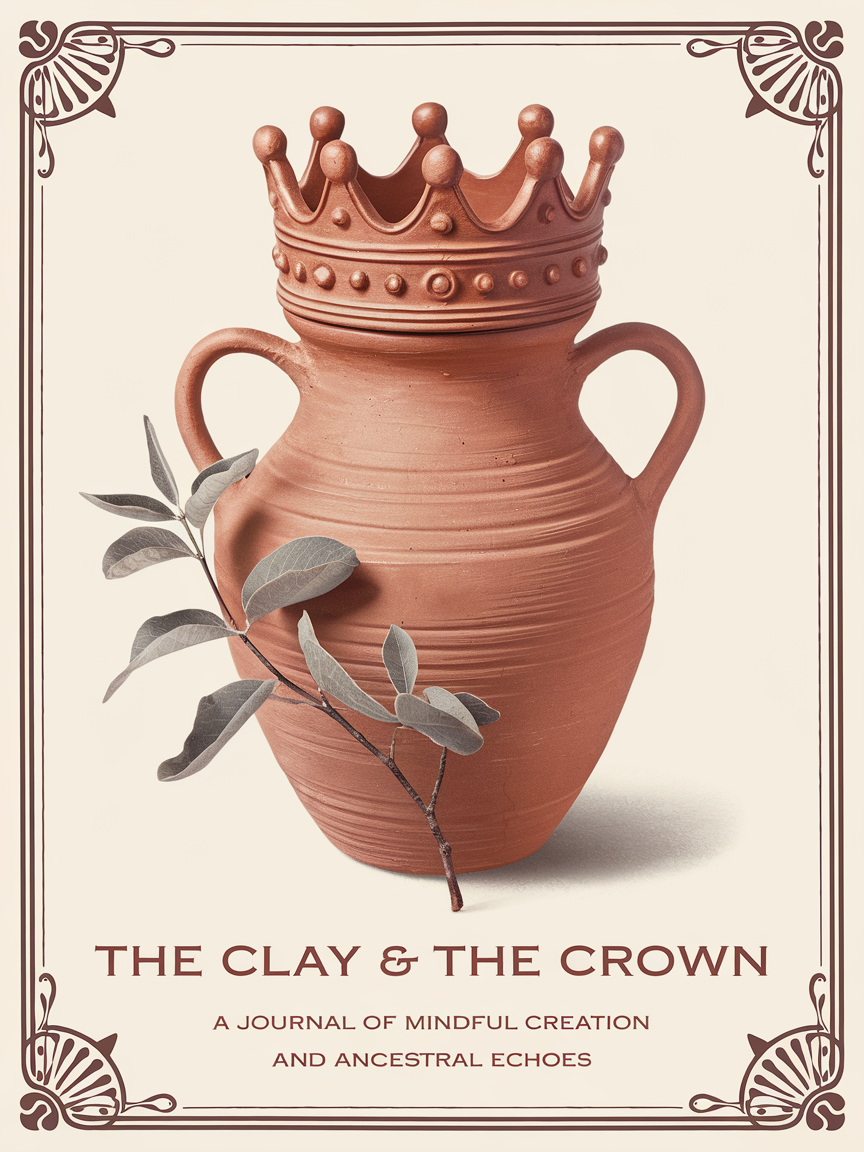
The Clay & The Crown: A Journal of Mindful Creation and Ancestral Echoes
0 reviews
Chapters
5
Language
English - US
Genre
Published
April 27, 2026
Synopsis
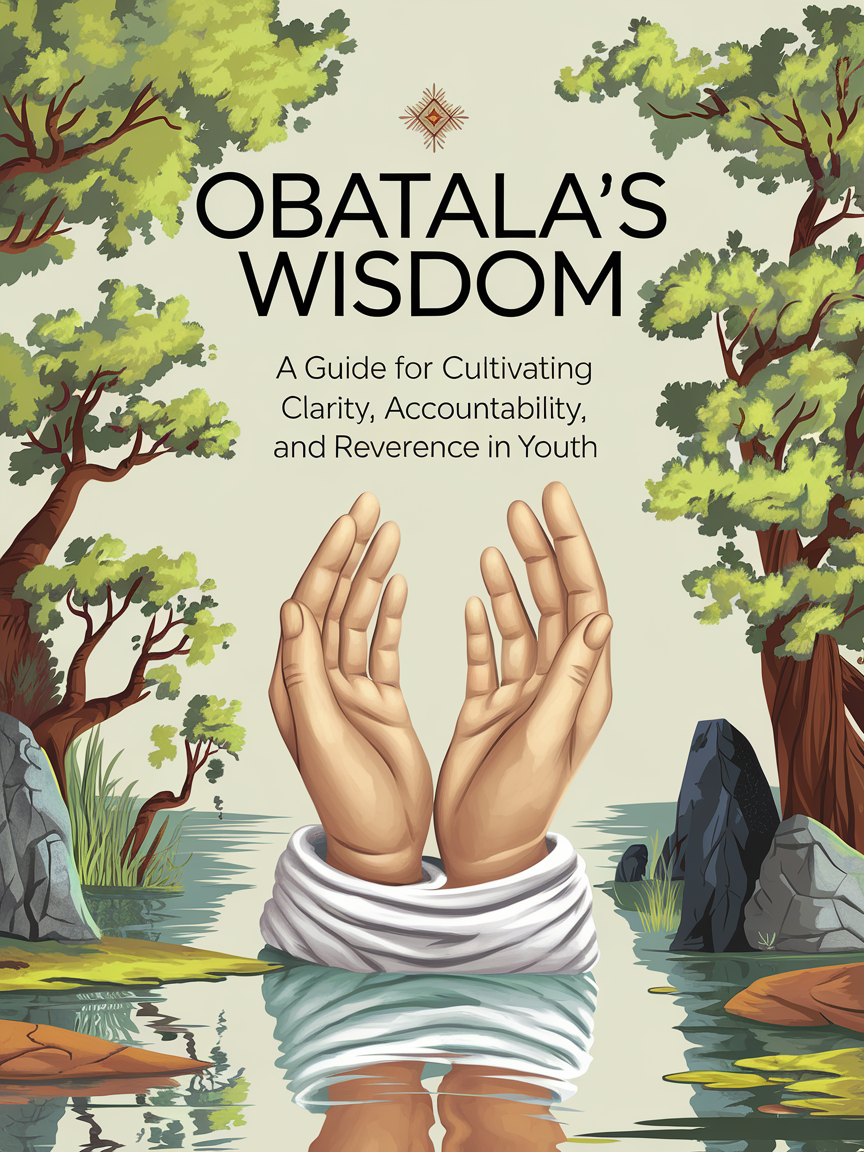
Overview & Structural Arc ("Plot") The Clay and the Crown is a non-fiction, process-driven creative journal that guides readers through a five-stage reflective journey. Rather than following a fictional narrative, the book’s “plot” mirrors the creative and contemplative process itself. It opens with grounding and intention-setting (The Shape of Intention), moves into culturally inspired exploration through writing, drawing, and textile metaphors (Weaving the Cloth), deepens into ethical reflection on fairness, restraint, and community care (Justice & Balance), embraces imperfection and neurodiversity through adaptive mixed-media exercises (The Unfinished Form), and closes with mindful dedication, archival documentation, and daily integration (Dedication & Release). Each section builds sequentially, transforming Obatala’s cultural symbolism into actionable creative practice and personal insight. Core Themes Process Over Perfection: Celebrating the draft, the pause, and the iterative nature of creation as spiritually and artistically valid. Ethical Creation & Restraint: Using calm authority, clarity of purpose, and mindful action as foundations for values-driven artistry. Ancestral Continuity & Diaspora Memory: Weaving personal heritage, cultural symbolism, and intergenerational storytelling into creative expression without appropriation or dogma. Inclusion & Adaptive Expression: Honoring Obatala’s mythic protection of those with disabilities as a metaphor for creative difference, self-acceptance, and accessible practice. Contemplative Spirituality Without Prescription: Framing creativity as a grounding, reflective discipline that honors cultural roots while remaining open, inclusive, and non-ritual. Key Points & Practical Takeaways Explicitly positioned as a creative companion, not a religious, initiatory, or doctrinal manual; all exercises are secular, trauma-informed, and culturally respectful. Features tiered, adaptable prompts for journaling, sketching, collage, breathwork, and symbolic reflection—requiring no prior artistic training. Integrates verified historical context, pronunciation guides, and ethical sourcing notes to prevent syncretic confusion or cultural overreach. Prioritizes emotional safety, self-paced exploration, and clear boundaries, with guidance on when to consult cultural historians or initiated practitioners for deeper spiritual study. Designed for solo use, guided workshops, or retreat settings; includes facilitator notes for educators, art therapists, and Horizon Bridge Academy programmers. Encourages users to treat their journal as a living archive of personal insight, cultural curiosity, and ethical reflection. Reinforces the alignment of mindful artistry with accountability, community stewardship, and intergenerational legacy-building. Intended Impact The journal equips readers to translate cultural inspiration into consistent, reflective creative practice. By framing Obatala’s symbolism as a contemplative lens rather than a ritual framework, it fosters emotional resilience, heritage connection, and ethical artistry. It functions as both a personal sanctuary for self-inquiry and a scalable resource for creative education, wellness programming, and community dialogue aligned with Horizon Bridge Academy’s mission.
More Books by the Author
Create Your Own Book
Inspired by what you've read? Turn your ideas into reality with FastRead's AI-powered book creation tool.
Start Writing Now