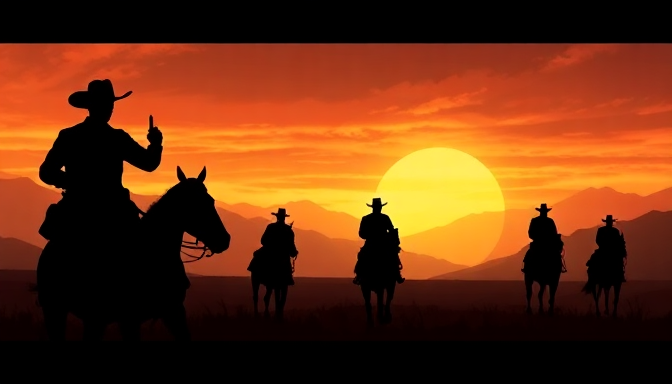
The Evolution of the Western Genre in Film
The Western genre in film has undergone a significant evolution since its inception, mirroring changing societal values and cinematic techniques. Initially, Westerns often presented a simplistic and romanticized view of the frontier, focusing on heroic cowboys and clear-cut conflicts between good and evil. Films like "The Great Train Robbery" (1903) established early tropes that would define the genre for decades, including dramatic chases and showdowns.
As the 20th century progressed, Westerns began to grapple with more complex themes, reflecting a growing awareness of the darker aspects of westward expansion. Directors like John Ford, while initially contributing to the heroic mythos, later explored the moral ambiguities of the frontier in films like "The Searchers" (1956). This shift marked a departure from the purely celebratory narratives of earlier Westerns, acknowledging the displacement and suffering of Native American populations and the brutal realities of frontier life.