FastRead logo
  • Home
  • Pricing
  • Blogs
  • Book Gallery
  • Affiliate Program
Sign InTry For Free
Book Title:

Maruti Wagon R: Your Essential DIY Maintenance and Troubleshooting Guide

    • Understanding your suspension: MacPherson struts and torsion beams.
    • The ease of electric steering: how it works and its benefits.
    • Braking systems: disc vs. drum, and the role of ABS.
    • Warning signs: squeals, grinds, and vibrations – what they mean for your safety.
    • Addressing steering and brake issues: simple checks and solutions.
Chapter 4
The Ride and Control: Suspension, Steering, and Brakes

image

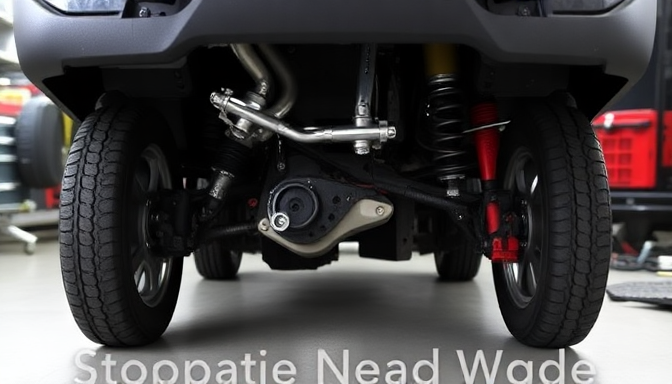
Understanding your suspension: MacPherson struts and torsion beams.

Your Maruti Wagon R's ability to smoothly glide over potholes and maintain stability on varying road surfaces is largely thanks to its suspension system. This vital network of components connects your car's body to its wheels, absorbing shocks and vibrations from the road. A well-functioning suspension ensures a comfortable ride, precise handling, and crucial safety by keeping your tires firmly on the ground.

The Wagon R, like many modern compact cars, employs a combination of two primary suspension types: MacPherson struts at the front and a torsion beam axle at the rear. This setup is a thoughtful engineering choice, balancing cost-effectiveness, space efficiency, and performance suitable for everyday driving conditions, especially prevalent in India.

At the front of your Wagon R, you'll find MacPherson struts. Imagine these as integrated units that combine a shock absorber and a coil spring into one compact assembly. This design is incredibly popular in front-wheel-drive vehicles due to its simplicity, light weight, and efficient use of space, allowing for more room in the engine bay and cabin.

When your Wagon R encounters a bump or a dip, the MacPherson strut compresses, allowing the wheel to move upward and absorb the impact. The coil spring then pushes the wheel back down, while the shock absorber dampens the oscillations, preventing a bouncy ride. This controlled movement ensures your tires maintain consistent contact with the road, vital for steering and braking.

Moving to the rear, the Wagon R utilizes a torsion beam suspension. This system is essentially a robust crossbeam that connects the two rear wheels. Unlike independent rear suspensions where each wheel moves separately, a torsion beam provides a semi-independent setup, meaning the movement of one wheel does slightly affect the other, but it's largely contained.

The torsion beam's design is remarkably simple and durable, making it ideal for compact cars where rear passenger and cargo space are priorities. It allows for a flat load floor and minimal intrusion into the cabin. Its inherent stiffness also contributes to predictable handling, especially during cornering, a useful trait for navigating city traffic.

The combination of MacPherson struts at the front and a torsion beam at the rear offers several advantages for the Wagon R. It strikes an excellent balance between ride comfort and handling stability, making it versatile for both urban commutes and occasional highway trips. This setup is also robust and requires relatively straightforward maintenance, aligning with the DIY ethos of this guide.

While designed for durability, suspension components do wear out over time. Listen for unusual noises like clunking, squeaking, or rattling, especially when going over bumps. A noticeable decrease in ride comfort, excessive bouncing after hitting a bump, or uneven tire wear can also indicate that your struts or other suspension parts need attention.

For the torsion beam, common issues are less frequent but can include worn bushings, which might lead to a loose feeling in the rear or unusual noises. A visible sagging of the rear end of your car could also signal a problem. Regular visual inspections during your routine checks can help you spot these issues early.

Regularly checking your suspension system is key to maintaining your Wagon R's safety and comfort. A quick bounce test – pushing down firmly on each corner of the car and observing how quickly it returns to its normal height – can give you a preliminary idea of your shock absorbers' health. Timely attention to these components ensures a smooth and secure driving experience.

The ease of electric steering: how it works and its benefits.

Gone are the days when steering a car felt like a workout, especially in tight city spaces. Your Maruti Wagon R, like many modern vehicles, employs an Electric Power Steering (EPS) system. This advanced technology fundamentally changes how you interact with your vehicle's direction, making every turn light and effortless.

Unlike older hydraulic systems that relied on a pump and fluid, EPS uses an electric motor to provide assistance. This motor is directly integrated into the steering column or rack. The design eliminates many traditional components, simplifying the entire steering mechanism.

At its core, EPS relies on sensors that constantly monitor your steering wheel's position and the effort you apply. This data is then transmitted to a dedicated Electronic Control Unit (ECU), which acts as the system's 'brain'. The ECU precisely calculates the amount of assistance needed based on your input and vehicle speed.

The electric motor then delivers this calculated assistance, making the steering wheel turn with minimal physical effort from your side. This intelligent, on-demand assistance means you don't have to wrestle with the wheel, even in challenging maneuvers.

One of the most immediate and appreciated benefits of EPS is the sheer ease of steering. Whether you are navigating crowded parking lots, making a tight U-turn, or maneuvering through narrow city lanes, the steering wheel feels incredibly light and responsive. This significantly reduces driver fatigue, particularly during long commutes or stop-and-go traffic.

Beyond comfort, EPS also contributes to better fuel efficiency. Unlike hydraulic systems that continuously draw power from the engine to run the pump, the electric motor in an EPS system only consumes power when steering assistance is actually required. This translates into marginal, yet noticeable, savings on your fuel bill over time.

The absence of hydraulic fluid, hoses, and pumps also means fewer components that can leak or wear out. This simplification leads to reduced maintenance requirements for the steering system itself. You won't need to check or top up steering fluid, simplifying your regular DIY checks.

Furthermore, modern EPS systems offer enhanced safety and responsiveness. They can adapt the steering feel based on driving conditions; for instance, providing lighter steering at low speeds for easy parking and a firmer, more stable feel at higher speeds for better control on highways. This adaptability enhances both comfort and vehicle stability.

While EPS systems are generally robust, occasional issues can arise. If you notice your steering suddenly feels heavy or unresponsive, or if a steering-related warning light illuminates on your dashboard, it indicates a potential problem. These issues often relate to sensor malfunctions or electrical faults within the system.

For your Maruti Wagon R, the electric steering system is a key contributor to its reputation as a nimble and user-friendly city car. Understanding how this system provides such effortless control empowers you to appreciate its design and quickly identify any deviations from its normal, smooth operation. This knowledge is crucial for maintaining your vehicle's responsiveness and overall driving pleasure.

By understanding the simplicity and efficiency of your Wagon R's electric steering, you gain a deeper appreciation for its engineering. This insight empowers you to confidently handle your vehicle, ensuring that every drive remains as effortless and safe as it was designed to be.

Braking systems: disc vs. drum, and the role of ABS.

Of all the systems in your Maruti Wagon R, the braking system is arguably the most critical for your safety and the safety of others on the road. It ensures you can bring your vehicle to a controlled stop, whether it's a routine halt or an emergency maneuver. Understanding how your brakes work and recognizing their different components is the first step towards maintaining this vital system.

Your Wagon R typically employs a combination of braking technologies: disc brakes at the front and drum brakes at the rear. Disc brakes consist of a rotating disc, also known as a rotor, which is clamped by a caliper containing brake pads. When you press the brake pedal, hydraulic pressure forces the pads to squeeze the rotor, creating friction that slows the wheel.

Drum brakes, on the other hand, operate differently. Inside a stationary drum, two curved brake shoes press outwards against the inner surface of the drum when the brakes are applied. This outward pressure generates friction, bringing the wheel to a stop. Drum brakes are often found on the rear wheels of cars like the Wagon R due to their cost-effectiveness and effectiveness as a parking brake.

Both systems have distinct advantages. Disc brakes excel at dissipating heat quickly, making them highly effective for repeated, heavy braking and preventing 'brake fade.' Drum brakes, while simpler and less expensive to manufacture, are enclosed, which can lead to heat buildup but also offers better protection from dirt and water. The combination provides a balanced and efficient braking performance for everyday driving.

Beyond the mechanical components, modern Wagon R models often feature an Anti-lock Braking System, or ABS. This advanced safety feature prevents your wheels from locking up during sudden or hard braking, especially on slippery surfaces. ABS is a crucial innovation that significantly enhances vehicle control and safety.

When you brake forcefully, an ABS system uses sensors to monitor the rotational speed of each wheel. If a wheel begins to lock up, the ABS rapidly modulates the brake pressure to that specific wheel, applying and releasing it many times per second. This rapid pulsing action prevents the wheel from skidding, allowing it to continue rotating.

The primary benefit of ABS is that it helps you maintain steering control while braking. If your wheels lock up, your car will skid, and you lose the ability to steer around obstacles. With ABS, you can still steer the vehicle, potentially avoiding a collision even during an emergency stop, which is invaluable in unpredictable traffic conditions.

You'll know your Wagon R is equipped with ABS if you see an 'ABS' warning light briefly illuminate on your dashboard when you start the car. During an actual ABS activation, you might feel a pulsating sensation through the brake pedal and hear a grinding or buzzing noise. This is completely normal and indicates the system is working as intended.

Regular inspection of your brake fluid level, brake pads, and drum brake shoes is essential. Over time, brake pads and shoes wear down, reducing braking efficiency and potentially damaging other components. Timely replacement is crucial, and you should also check for any signs of brake fluid leaks or a spongy pedal feel.

Proactive maintenance of your braking system is not just about extending your car's life; it's fundamentally about ensuring your safety and the safety of those around you. Understanding how disc and drum brakes work, and appreciating the role of ABS, empowers you to recognize issues early and take swift action, keeping your Wagon R a reliable and safe companion on every journey.

Warning signs: squeals, grinds, and vibrations – what they mean for your safety.

Your Maruti Wagon R, like any well-maintained machine, communicates with you. It doesn't use words, but rather a language of sounds and sensations. Learning to interpret these warning signs—squeals, grinds, and vibrations—is crucial for your safety and the longevity of your vehicle. Ignoring them can lead to more severe problems and costly repairs down the line.

A common sound that often catches a driver's attention is a high-pitched squeal coming from the brakes. This sound typically occurs when you apply the brakes and is usually a deliberate warning. Many brake pads are designed with a small metal tab, a 'wear indicator,' that begins to rub against the rotor when the pad material wears thin. This squeal is your car's way of telling you it's time for new brake pads.

If that squeal progresses to a harsh, metallic grinding noise when you brake, the situation is more urgent. A grinding sound indicates that the brake pads have completely worn away, and now metal-on-metal contact is occurring between the brake caliper and the rotor. This not only severely reduces braking effectiveness but also rapidly damages the brake rotors, leading to a much more expensive repair. Address this immediately for your safety.

Beyond sounds, vibrations are another key indicator that something is amiss with your Wagon R. These can manifest in various ways, from a shaky steering wheel to a vibrating floorboard or even the entire car. The nature and timing of the vibration often provide clues about its origin, guiding your troubleshooting efforts effectively.

If you experience a vibration specifically when you apply the brakes, especially at higher speeds, it often points to warped brake rotors. Over time, uneven heating and cooling can cause rotors to develop slight imperfections. These imperfections cause the brake pads to grip unevenly, resulting in a pulsing sensation through the brake pedal or a shake in the steering wheel. While not always immediately critical, warped rotors compromise braking efficiency and comfort.

Vibrations felt through the steering wheel or seat, particularly at certain speeds, commonly suggest issues with your tires or wheels. An unbalanced wheel, where the weight is unevenly distributed, will cause a noticeable vibration as it spins. Similarly, a bent rim or even uneven tire wear can contribute to these unsettling shakes. Proper tire balancing and rotation are essential for a smooth ride.

A clunking, thudding, or knocking sensation, especially when driving over bumps or uneven roads, often indicates a problem with your suspension components. Worn shock absorbers, loose ball joints, or failing suspension bushings can all produce these sounds and sensations. These issues not only make the ride uncomfortable but also affect the car's handling and stability, particularly during turns or emergency maneuvers.

Sometimes, the steering itself can give you a warning. If your steering feels unusually heavy, loose, or you notice the car pulling to one side, it's a sign that something is wrong. While not a sound or vibration, these changes in steering feel can be linked to suspension or steering system issues that affect your control over the vehicle. Prompt investigation is key.

Understanding these signs empowers you to act decisively. A squeal means check brakes soon; a grind means check brakes now. A vibration during braking points to rotors, while a vibration at speed suggests tire or wheel issues. Each distinct warning sign offers a direct line of communication from your car, helping you pinpoint the problem's likely source.

Never ignore these auditory and tactile warnings from your Wagon R. They are not merely annoyances but critical messages about potential safety hazards or impending mechanical failures. Addressing them promptly can prevent minor issues from escalating into major, dangerous, and expensive problems. Taking action quickly ensures your continued safety on the road and maintains your vehicle's reliability.

Addressing steering and brake issues: simple checks and solutions.

Having explored the warning signs, it’s now time to translate those alerts into actionable steps for your Wagon R’s steering and braking systems. Recognizing a squeal or grind is the first critical step; understanding what to do next ensures your safety and prevents minor issues from escalating. This section will guide you through simple checks and solutions for these vital components, empowering you to address problems confidently.

A persistent squealing sound, particularly when pressing the brake pedal, often indicates worn brake pads. While some modern pads have wear indicators that cause this noise, it’s a clear signal that they are nearing the end of their lifespan and require attention. A quick visual inspection of your brake pads through the wheel spokes can often confirm this, looking for a thin pad lining.

Far more serious than a squeal is a grinding noise, which typically means the brake pad material has completely worn away, allowing metal to rub against metal. This causes rapid damage to your brake discs (rotors) and significantly compromises braking effectiveness. If you hear grinding, it is crucial to stop driving immediately and have your brakes inspected and repaired by a professional or replace the pads and possibly discs yourself if you have the tools and expertise.

Beyond the pads and discs, the brake fluid plays a silent yet critical role in your braking system. Check the brake fluid reservoir located under the bonnet; its level should be between the 'Min' and 'Max' marks. Low fluid can indicate a leak in the system or severely worn pads pushing the calipers further out, requiring immediate investigation.

The feel of your brake pedal also offers valuable clues about the system's health. A 'spongy' or soft pedal suggests air in the brake lines or a failing master cylinder, leading to reduced braking power. Conversely, an excessively hard pedal might point to an issue with the vacuum booster, making it difficult to apply sufficient braking force.

If your Wagon R's electric power steering suddenly feels heavy or stiff, it could stem from a few common culprits. While electric power steering doesn't use fluid like older hydraulic systems, issues can still arise from electrical faults or even incorrect tyre pressure. Begin by checking your tyre pressures, as underinflated tyres dramatically increase steering effort.

Excessive play or looseness in the steering wheel indicates worn components within the steering linkage or suspension. This can manifest as the steering wheel needing more movement to initiate a turn or a general vagueness in handling. Worn tie rod ends, ball joints, or issues within the steering rack itself are common causes, impacting precise control and safety.

Vibrations felt through the steering wheel or seat, especially at certain speeds or during braking, often signal problems with your wheels, tyres, or brake rotors. A vibrating steering wheel during normal driving usually points to unbalanced wheels or misaligned tyres. If the vibration occurs primarily when braking, warped brake discs are the likely culprit, requiring inspection and potential replacement.

Your tyres are a direct interface with the road and can reveal underlying steering or suspension problems. Uneven tyre wear, such as excessive wear on one side of the tread, scalloping, or feathering, is a strong indicator of misalignment or worn suspension components. Regularly inspect your tyres for these patterns, as they provide early warnings before issues become severe.

While checking tyre pressure, inspecting brake pad thickness, and observing fluid levels are simple DIY tasks, complex brake or steering issues require professional attention. Replacing brake components, addressing steering linkage wear, or performing wheel alignments are jobs best left to a qualified mechanic. Knowing when to seek expert help is key to maintaining your Wagon R's safety and reliability.