FastRead logo
  • Home
  • Pricing
  • Blogs
  • Book Gallery
  • Affiliate Program
Sign InTry For Free
Book Title:

Maruti Wagon R: Your Essential DIY Maintenance and Troubleshooting Guide

    • The 'Check Engine' light: what it signifies and initial steps.
    • Urgent alerts: the meaning of the Oil Pressure and Battery lights.
    • Safety systems: understanding ABS, Seatbelt, and Airbag warning lights.
    • The golden rule: always check your manual for specific warnings.
    • Prioritizing safety: when to stop and investigate immediately.
Chapter 7
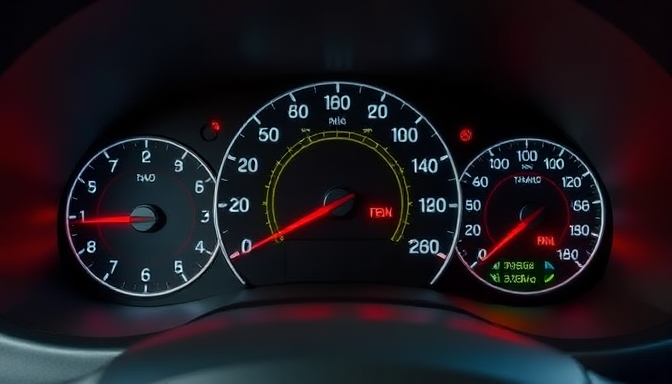
Decoding the Dashboard: Warning Lights and What They Mean

image

The 'Check Engine' light: what it signifies and initial steps.

Among the many indicators on your Maruti Wagon R's dashboard, the 'Check Engine' light is arguably the most common and often the most perplexing. This illuminated symbol, typically an outline of an engine, signals that your car's Engine Control Unit (ECU) has detected a problem. It acts as a general alert, indicating an issue within the engine, transmission, or emissions system that requires your attention.

This warning light, formally known as the Malfunction Indicator Lamp (MIL), illuminates when a sensor detects a reading outside its normal operating parameters. It's the ECU's way of telling you that something is amiss, whether it's a minor glitch or a more significant concern. Understanding its nature is the first step toward effective troubleshooting.

The range of issues the 'Check Engine' light can represent is surprisingly broad. Sometimes, it's as simple as a loose fuel cap, which allows fuel vapors to escape and triggers an emissions system fault. Other times, it could point to more complex problems like a failing oxygen sensor, a misfiring spark plug, or even a catalytic converter issue.

It's crucial to differentiate between a steady 'Check Engine' light and one that is blinking. A steady illumination generally indicates a non-critical issue that still needs attention soon. You can typically continue driving your Wagon R to a safe location or home, but make a plan to investigate the issue without undue delay.

Conversely, a blinking or flashing 'Check Engine' light is an urgent warning that demands immediate action. This specific signal almost always points to a severe engine misfire. Continuing to drive with a flashing light can cause significant and costly damage to your Wagon R's catalytic converter, a vital component of the exhaust system.

If you encounter a steady 'Check Engine' light, your initial step should be remarkably simple: check your fuel cap. Pull over safely, remove the fuel cap, and then re-tighten it firmly until you hear a click, if your cap is designed to do so. Drive for a short distance or through a few ignition cycles; sometimes, the light will extinguish itself.

Should the light persist after checking the fuel cap, observe your Wagon R for any immediate changes in performance. Is the engine running rough? Do you notice a loss of power, unusual noises, or strange smells? Paying close attention to these symptoms can provide valuable clues about the underlying problem, even if the light remains on.

For the proactive DIY owner, an OBD-II (On-Board Diagnostics II) scanner is an invaluable tool. These affordable devices plug into a diagnostic port, usually located under the dashboard on the driver's side. The scanner can read the specific trouble codes stored by your Wagon R's ECU, offering a more precise indication of the fault.

Common trouble codes often relate to components like the oxygen sensor, which monitors exhaust gases; spark plugs, crucial for engine ignition; or the mass airflow (MAF) sensor, which measures air entering the engine. While the code provides direction, it's important to remember it indicates *which* system has a fault, not necessarily the exact faulty part itself.

Never ignore a 'Check Engine' light, even if your Wagon R seems to be operating normally. Ignoring it can lead to decreased fuel efficiency, increased emissions, and potentially more severe and expensive repairs down the line. Addressing the issue promptly can save you significant time, money, and stress.

If the 'Check Engine' light is blinking, or if you've performed basic checks and scanned for codes but remain uncertain, it's always prudent to consult a qualified Maruti mechanic. They possess the specialized diagnostic equipment and expertise to accurately identify and resolve complex engine and emissions system problems, ensuring your Wagon R runs reliably.

Urgent alerts: the meaning of the Oil Pressure and Battery lights.

While the 'Check Engine' light often allows for some driving before professional assessment, certain dashboard warnings demand immediate and decisive action. The Oil Pressure light and the Battery light fall squarely into this critical category. Recognizing their distinct symbols and understanding their urgency is paramount for the health of your Maruti Wagon R and your safety.

The Oil Pressure warning light typically appears as an old-fashioned oil can symbol, usually glowing red. This light does not merely indicate that your engine oil level is low; rather, it signals a severe drop in the engine's oil pressure. Proper oil pressure is vital for lubricating the many moving parts within your engine, preventing damaging metal-on-metal friction.

If this light illuminates while you are driving, your immediate response should be to safely pull over and shut off the engine as quickly as possible. Continuing to drive, even for a short distance, with critically low oil pressure can lead to catastrophic engine damage. This could result in seized components, requiring extremely costly repairs or even a complete engine replacement.

Once safely stopped, allow the engine to cool for a few minutes, then carefully check your oil level using the dipstick, as outlined in Chapter 2. If the oil level is significantly low, add the correct type of engine oil to bring it up to the proper mark. Also, visually inspect for any obvious oil leaks under the car.

However, if the oil level appears correct or if the light persists after topping up, do not restart the engine. A persistent oil pressure light suggests a more serious underlying issue, such as a faulty oil pump, a clogged oil filter, or a critical internal engine problem. In such cases, it is safest to arrange for your Wagon R to be towed to a trusted mechanic.

The Battery warning light, often resembling a car battery, indicates a problem with your vehicle's charging system, not necessarily the battery itself. Its primary role is to alert you that the alternator, which generates electricity to power your car's electrical components and recharge the battery, is not functioning correctly.

While less immediately catastrophic than an oil pressure issue, a lit battery light means your car is running solely on battery power. Once the battery depletes, your engine will eventually shut down, leaving you stranded. This gives you a limited window to address the problem before power loss becomes complete.

Upon seeing this light, first check your battery terminals to ensure they are clean and tightly connected, as loose connections can disrupt charging. Also, inspect the serpentine belt, which drives the alternator, to confirm it is intact and properly tensioned. A broken or loose belt will prevent the alternator from charging.

If these quick checks do not resolve the issue, or if the light remains on, it is advisable to drive directly to a service center if you are close by. Minimize electrical load by turning off non-essential accessories like the AC, radio, and powerful headlights to conserve remaining battery life. This allows you to reach a repair facility before your car completely loses power.

Understanding and promptly reacting to the Oil Pressure and Battery warning lights can save you from significant headaches and expenses. These aren't minor glitches to be ignored; they are direct warnings from your Wagon R, signaling urgent attention. Always treat these red or amber alerts with the seriousness they demand to ensure your vehicle's longevity and your peace of mind.

Safety systems: understanding ABS, Seatbelt, and Airbag warning lights.

While the 'Check Engine' and 'Battery' lights signal issues with your vehicle's core operational systems, other dashboard indicators focus directly on your safety. These lights are equally critical, demanding your immediate attention to ensure the protective features of your Maruti Wagon R function as intended. Understanding these warnings empowers you to react appropriately, safeguarding yourself and your passengers.

The Anti-lock Braking System, or ABS, light illuminates when there's an issue with this crucial safety feature. ABS prevents your wheels from locking up during hard braking, allowing you to maintain steering control and avoid skidding. When this light appears, it indicates a malfunction within the ABS itself, not necessarily a failure of your primary braking system.

If the ABS light comes on, your regular brakes will still work, but they will operate without the anti-lock function. This means that in an emergency braking situation, your wheels could lock, potentially leading to a loss of control. While you can drive to a service center, it is highly advisable to exercise extreme caution, especially in wet or slippery conditions.

The Seatbelt warning light is perhaps the most straightforward of all indicators, reminding you or a passenger to buckle up. This light is often accompanied by an audible chime, reinforcing the importance of proper seatbelt use. Always ensure all occupants are securely buckled before driving, as seatbelts are your primary restraint in a collision.

Should the seatbelt light remain illuminated even after all occupants have buckled their seatbelts, it suggests a potential issue with the seatbelt sensor or its wiring. While your seatbelt will still provide protection if physically buckled, the system might not register its use correctly. This minor electrical glitch should be inspected during your next service visit to restore full system functionality.

The Airbag warning light, often labeled 'SRS' (Supplemental Restraint System), is a serious indicator that should never be ignored. This light signals a fault within your vehicle's airbag system, which includes the airbags themselves, the crash sensors, and the seatbelt pre-tensioners. These components are designed to deploy in a fraction of a second during a collision, significantly reducing injury risk.

When the Airbag light stays on after starting your Wagon R, it means the system is compromised and may not deploy in the event of an accident. Conversely, it could also mean the airbags might deploy unexpectedly, which is equally dangerous. This is not a warning you can troubleshoot yourself, as it pertains to complex safety mechanisms.

Given the critical nature of the airbag system, if this light illuminates, you must seek professional diagnosis and repair immediately. Driving with an active Airbag warning light puts you and your passengers at considerable risk. Prioritizing this repair is essential for your safety on the road.

In some Wagon R models, you might also encounter a Traction Control System (TCS) or Electronic Stability Program (ESP) light. These systems work in conjunction with ABS to prevent wheel spin and maintain vehicle stability, especially on challenging surfaces. If these lights appear, it suggests a malfunction that could affect your vehicle's handling in adverse conditions.

Understanding these safety warning lights is paramount to proactive vehicle maintenance and ensuring your well-being. Unlike some minor alerts, issues with ABS, seatbelts, or airbags directly impact your vehicle's ability to protect you in an emergency. Always address these warnings promptly to maintain the highest level of safety for your Wagon R.

The golden rule: always check your manual for specific warnings.

While this guide equips you with a robust understanding of your Maruti Wagon R’s key systems and common warning lights, one resource stands paramount: your vehicle’s owner’s manual. Consider it the definitive blueprint provided directly by the manufacturer, meticulously tailored to your specific model. It contains information that no general guide, however comprehensive, can fully replicate. This manual is an indispensable tool for every Wagon R owner, serving as your primary reference for all things specific to your car.

Dashboard warning lights, while standardized in many ways, can sometimes have subtle nuances that vary by model year or specific variant. A generic 'Check Engine' light might be accompanied by a more precise diagnostic code in your manual, or a particular system light might indicate a slightly different priority. Consulting your manual ensures you interpret these signals with absolute accuracy, avoiding misdiagnosis or unnecessary panic.

Locating the section on warning lights within your owner's manual is typically straightforward. Look for dedicated chapters on 'Indicators and Warnings,' 'Dashboard Symbols,' or 'Troubleshooting.' Each symbol will be clearly illustrated, accompanied by a detailed explanation of its meaning, the conditions under which it illuminates, and the recommended actions to take. This structured information simplifies the diagnostic process immensely.

The owner's manual extends far beyond just warning lights; it's a treasure trove of essential information for maintaining your Wagon R. You'll find precise details on recommended fluid types for engine oil, coolant, and brake fluid, along with their exact capacities. It also outlines the official service schedules, tyre pressure specifications, and even instructions for minor tasks like changing a flat tyre or replacing a fuse. Neglecting this resource means missing out on crucial manufacturer guidelines.

Guessing the meaning of a warning light or relying solely on general online advice can lead to incorrect actions or overlooked critical issues. An illuminated symbol might seem minor, but without the specific context from your manual, you risk compounding a problem that could be easily addressed. The manual eliminates ambiguity, transforming uncertainty into informed action.

Many modern Wagon R owners might find their manual in a digital format, either on a USB drive provided with the car or available for download from the Maruti Suzuki India website. Even if you have a physical copy, consider keeping a digital version on your smartphone or tablet for quick access on the go. This ensures that expert guidance is always just a few taps away, especially during unexpected roadside situations.

Embracing your owner's manual is a fundamental step in becoming a truly empowered DIY car owner. It provides the foundational knowledge upon which all other maintenance and troubleshooting efforts are built. By understanding the manufacturer's specific instructions and recommendations, you gain confidence and precision in your car care, transforming you from a passive driver into a proactive vehicle guardian.

While this book offers broad principles and common solutions applicable to most Wagon R models, your owner's manual bridges the gap between general knowledge and the specific intricacies of your vehicle. It’s the ultimate customization guide, ensuring that every action you take is perfectly aligned with your car’s design and operational parameters. This synergy of resources leads to optimal maintenance outcomes.

Make a habit of referring to your owner's manual whenever a new warning light appears or before undertaking any significant maintenance task. This simple practice significantly contributes to the safety of your vehicle and extends its overall lifespan. Proactive consultation prevents small issues from escalating into expensive repairs, safeguarding both your investment and your peace of mind on the road.

In essence, your Maruti Wagon R owner's manual is your first and most reliable line of defense against automotive uncertainties. It’s a comprehensive, authoritative resource that complements the practical advice in this guide, providing the precise details needed for informed decision-making. Keep it handy, consult it often, and let it be the cornerstone of your DIY maintenance journey.

Prioritizing safety: when to stop and investigate immediately.

While your Maruti Wagon R's dashboard provides a wealth of information, certain warning lights and vehicle behaviors demand immediate attention. Ignoring these critical signals can lead to severe mechanical damage, costly repairs, or even dangerous situations on the road. Prioritizing your safety and the longevity of your vehicle means knowing exactly when to pull over and investigate without delay. This proactive approach saves both lives and money in the long run.

The most crucial rule to remember is this: any red warning light appearing on your dashboard signifies an urgent problem. Unlike yellow or amber lights, which often indicate a fault requiring attention soon, red lights point to a critical system failure. Continuing to drive with a red warning light illuminated can rapidly escalate a minor issue into a catastrophic breakdown.

Specifically, if the **Oil Pressure Warning Light** (often resembling an oil can) illuminates, you must stop your Wagon R immediately and safely. This light indicates a severe lack of engine oil pressure, which means vital engine components are not receiving lubrication. Continuing to drive will lead to rapid metal-on-metal friction, resulting in irreparable engine damage and complete seizure.

Similarly, a red **Engine Temperature Warning Light** (often looking like a thermometer in water) signals that your engine is dangerously overheating. Overheating can warp engine components, blow head gaskets, and cause extensive internal damage. Pulling over, turning off the engine, and allowing it to cool down is the only safe course of action to prevent permanent harm.

Should the **Brake System Warning Light** (usually a circle with an exclamation mark or the word 'BRAKE') illuminate in red, it indicates a critical issue with your braking system. This could mean low brake fluid, a fault in the ABS system, or a complete loss of brake pressure. Your ability to stop the vehicle effectively is severely compromised, making immediate cessation of driving paramount.

Even the **Battery Warning Light** (a battery symbol) can necessitate an immediate stop, especially if other electrical systems begin to fail. While it typically indicates an alternator issue, if the battery is no longer charging and draining rapidly, you could lose power steering, power brakes, and engine function. This scenario requires pulling over before you lose all control.

Beyond dashboard lights, pay close attention to sudden, unusual sensory cues from your Wagon R. A sudden loud bang, a persistent grinding noise, or a strong burning smell are all undeniable signs of serious trouble. These sensory warnings often precede mechanical failure and require you to stop the vehicle as soon as it is safe to do so.

Visible smoke or steam emanating from under the bonnet or from the exhaust pipe also demands an immediate halt. White steam usually indicates an overheating engine or coolant leak, while black or blue smoke could signify severe engine issues like burning oil. Driving further with these symptoms can lead to fire or complete engine failure.

When you encounter any of these critical warnings or sensory cues, ensure you pull over to the safest possible location. Engage your hazard lights to alert other drivers, and if necessary, place a warning triangle behind your vehicle. Only after ensuring your safety and the safety of others should you begin to investigate the problem or call for assistance.

Ultimately, the golden rule for your Wagon R, or any vehicle, is to prioritize safety above all else. If a warning light turns red, if you hear a disturbing noise, or if you feel a significant change in the vehicle's handling, do not attempt to reach your destination. Stopping promptly, assessing the situation, and seeking professional help when needed will protect both you and your cherished vehicle.