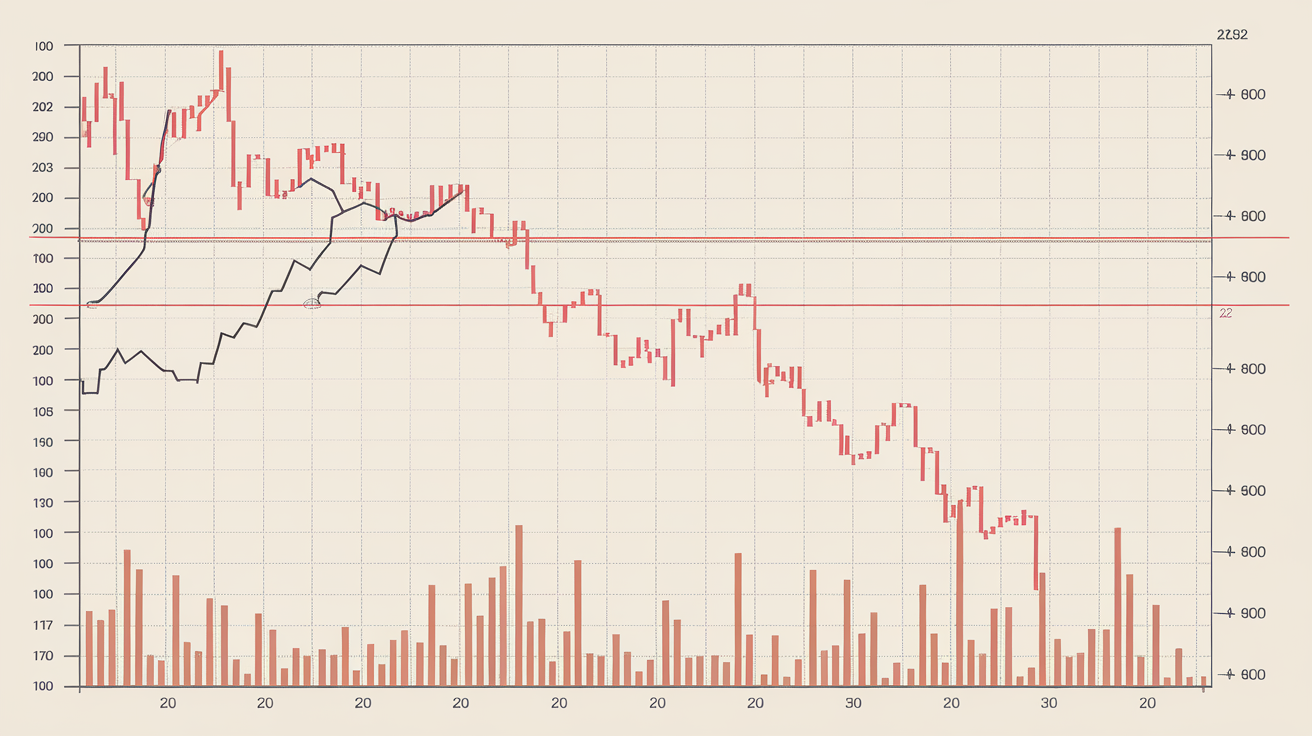
Understanding Synthetic Markets: What are they?
Imagine the financial markets you're used to – stocks, bonds, currencies. Now, picture a different kind of playground, one built on the very idea of how much things are expected to move. That's essentially what synthetic markets are all about. Instead of trading the underlying asset itself, like a share of Apple or a specific currency pair, you're trading contracts that represent the market's expectation of future price swings. Think of it as betting on the weather patterns rather than the crops themselves; you're interested in the conditions that affect the outcome.
These markets aren't just about predicting whether a price will go up or down. They delve deeper into the *magnitude* and *speed* of those movements. In a traditional market, a big price jump might be a headline event. In a synthetic market focused on volatility, that same jump, or even a sudden drop, is the main event you're trading. It’s a space where the uncertainty and unpredictability of asset prices become the very thing you can potentially profit from, creating unique opportunities that differ significantly from conventional trading.