FastRead logo
  • Home
  • Pricing
  • Blogs
  • Book Gallery
  • Affiliate Program
Sign InTry For Free
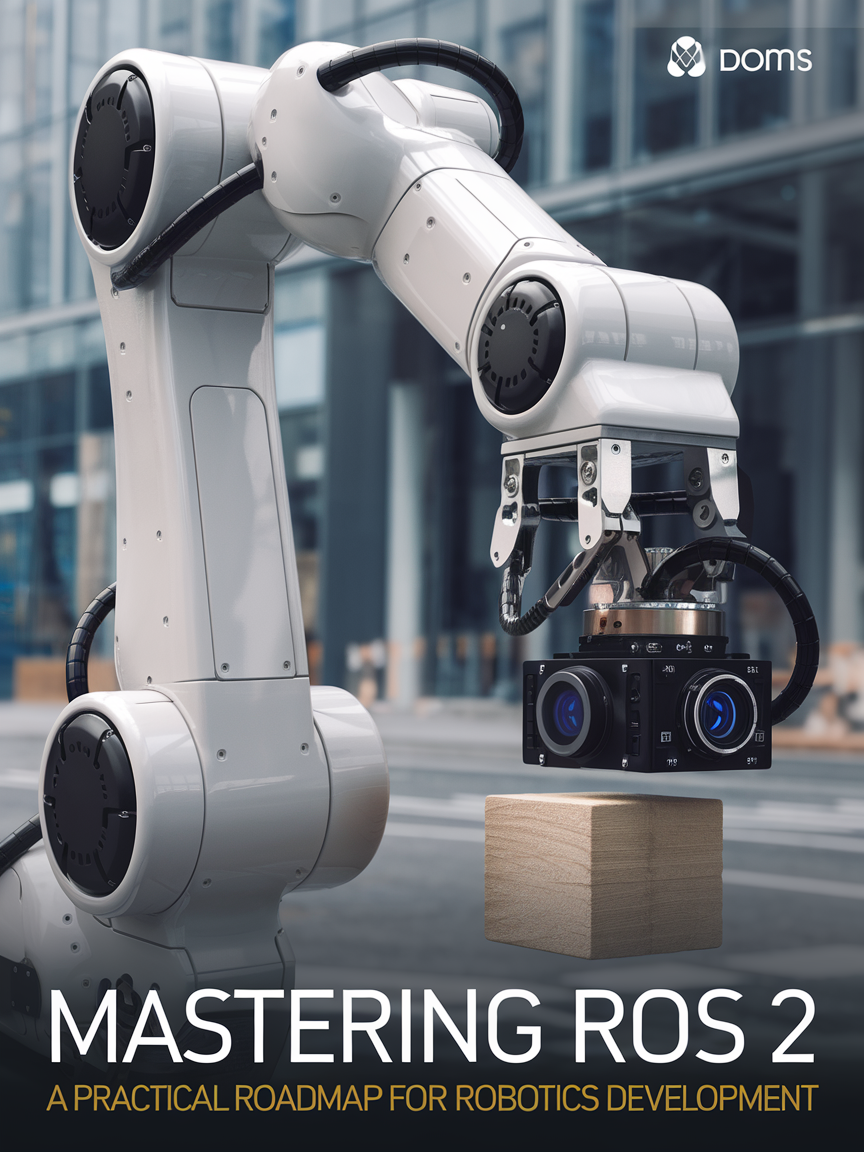
Mastering ROS 2: A Practical Roadmap for Robotics Development
Audio Book
Read Online

Mastering ROS 2: A Practical Roadmap for Robotics Development

3 reviews

Chapters

11

Language

English

Genre

Technology

Published

August 25, 2025

Synopsis

This comprehensive guide, 'Mastering ROS 2: A Practical Roadmap for Robotics Development' by Vikram Singh Sankhala, addresses the critical gap in accessible, structured learning resources for the ROS 2 framework, which has become the cornerstone of modern robotics. Born from the need to consolidate fragmented information scattered across tutorials and repositories, this book offers a cohesive, hands-on learning journey. It systematically guides readers from the foundational concepts of ROS 2 architecture—including nodes, topics, services, actions, QoS, and DDS middleware—to practical implementation through coding exercises in Python and C++. Readers will learn to build, program, and deploy robotics applications, covering essential aspects like robot modeling with URDF/Xacro, sensor integration, simulation with Gazebo/Ignition, and visualization with RViz2. The book progresses to core robotics capabilities such as navigation using the Navigation2 stack, perception with sensor fusion and machine vision, and manipulation with MoveIt 2. It also delves into advanced topics crucial for real-world deployment, including ROS 2 security (SROS2), multi-robot systems, micro-ROS for embedded platforms, and distributed systems with Docker. Through step-by-step case studies on building mobile robots, manipulator control, and drone applications, readers gain immediately usable skills. The ultimate goal is to bridge academic theory with industry application, empowering undergraduate and graduate students, as well as research professionals, to confidently design, simulate, and deploy sophisticated robotic systems in research, hobbyist, and industrial settings.

Reviews Summary

4.0

(3)

Rating Breakdown

3 total ratings

5
33%
4
33%

More Books by the Author

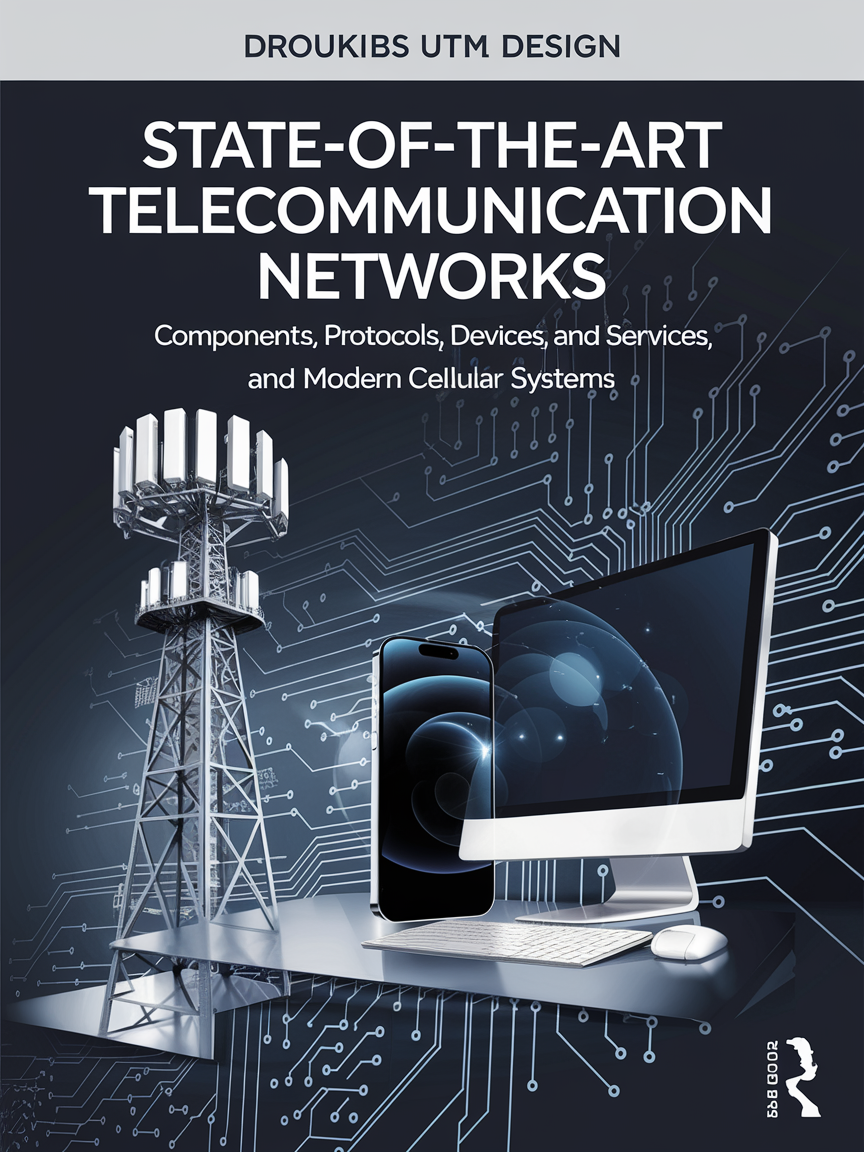
State-of-the-Art Telecommunication Networks: Components, Protocols, Devices, and Services in Modern Cellular Systems
Technology

State-of-the-Art Telecommunication Networks: Components, Protocols, Devices, and Services in Modern Cellular Systems

By Vikram Singh Sank...

Create Your Own Book

Inspired by what you've read? Turn your ideas into reality with FastRead's AI-powered book creation tool.

Start Writing Now
About the Author

VSS

Vikram Singh Sankhala

Vikram Singh Sankhala offers a unique analytical perspective, blending expertise in multi-modal AI, agentic systems, and data-driven solutions with the ancient principles of Vedic astrology. His innovative approach decodes complex astrological concepts through modern scientific frameworks and visualization techniques, making them accessible. Sankhala's mission is to bridge ancient knowledge systems with cutting-edge technology, providing practical, evidence-based guidance for growth, viewing Vedic astrology as humanity's oldest data science.

3
33%
2
0%
1
0%
8/26/2025

This book is a really solid guide for anyone looking to dive into ROS 2. It does a great job of breaking down complex topics like nodes, topics, and services in a way that's easy to grasp. The inclusion of practical examples and case studies for mobile robots, manipulators, and drones was particularly helpful. I appreciated how it covered everything from basic setup to more advanced concepts like Navigation2 and MoveIt 2. The explanation of QoS policies and DDS middleware was detailed and improved my understanding of ROS 2's communication. While it's comprehensive, some of the advanced sections on security and micro-ROS felt a little dense for a casual reader. It's definitely a book that rewards careful reading and hands-on practice with the code examples. Overall, it’s a valuable resource that bridges the gap between theory and practical robotics development. I would recommend this to students and professionals serious about learning ROS 2. It provided a clear roadmap for building and deploying robotic systems effectively.

8/26/2025

This book serves as an exceptionally thorough and well-structured guide to ROS 2, effectively filling a crucial need for a consolidated learning resource. Vikram Singh Sankhala meticulously guides readers through the complex architecture of ROS 2, from fundamental concepts like nodes and topics to advanced applications like Navigation2 and MoveIt 2. The explanations of core components, QoS policies, and DDS middleware are particularly clear, offering a solid understanding of ROS 2's advantages. The progression from basic setup to practical implementation through case studies on mobile robots, manipulators, and drones is logical and highly beneficial for skill acquisition. Learning about URDF/Xacro, Gazebo/Ignition simulation, and RViz2 visualization provides a comprehensive toolkit for building and testing robotic systems. The inclusion of vital advanced topics such as SROS2, micro-ROS, and distributed systems with Docker equips readers for real-world deployment challenges. The case studies are a significant strength, offering practical, step-by-step examples that demystify complex integrations. The book successfully bridges the gap between academic theory and industry application, making it invaluable for students and professionals alike. It is a highly recommended resource for anyone serious about developing robotics applications with ROS 2. The author's clear writing style and the book's logical flow make even intricate topics accessible. This guide is an essential reference for anyone embarking on or advancing their ROS 2 journey. It is a truly comprehensive and practical roadmap for robotics development.

8/26/2025

This book offers a thorough, if sometimes dense, exploration of ROS 2, aiming to consolidate scattered resources for robotics developers. The progression from foundational concepts to advanced topics like Navigation2 and MoveIt 2 is logical, though the depth on certain advanced areas like security could be further expanded. The writing style is technical and instructional, which suits the subject matter, but at times feels like a collection of documentation rather than a flowing narrative. The practical case studies are valuable for applying theoretical knowledge, particularly the mobile robot and manipulator examples, providing tangible learning outcomes. I appreciated the comprehensive coverage of tools like RViz2 and Gazebo, which are essential for any ROS 2 workflow. However, the jump to some advanced topics like micro-ROS and distributed systems felt a bit abrupt without more extensive foundational bridges. It's a strong reference for anyone serious about learning ROS 2, but might require prior programming experience for full comprehension. The inclusion of SROS2 is a critical addition for anyone considering real-world deployments. While it covers a vast landscape of ROS 2 capabilities, some readers might find themselves needing supplementary materials for the most complex sections. Overall, it serves as a practical roadmap, equipping readers with a solid understanding of ROS 2's architecture and application. It's a useful resource for students and professionals looking for a structured approach to mastering ROS 2. The book effectively bridges the gap between theory and practical implementation in robotics development.

CCNA Master Guide: A Protocol-Centric Approach to Modern Networking
Technology

CCNA Master Guide: A Protocol-Centric Approach to Modern Networking

By Vikram Singh Sank...

Mastering MQTT for IoT: A Practical, Project-Based Course
Technology

Mastering MQTT for IoT: A Practical, Project-Based Course

By Vikram Singh Sank...

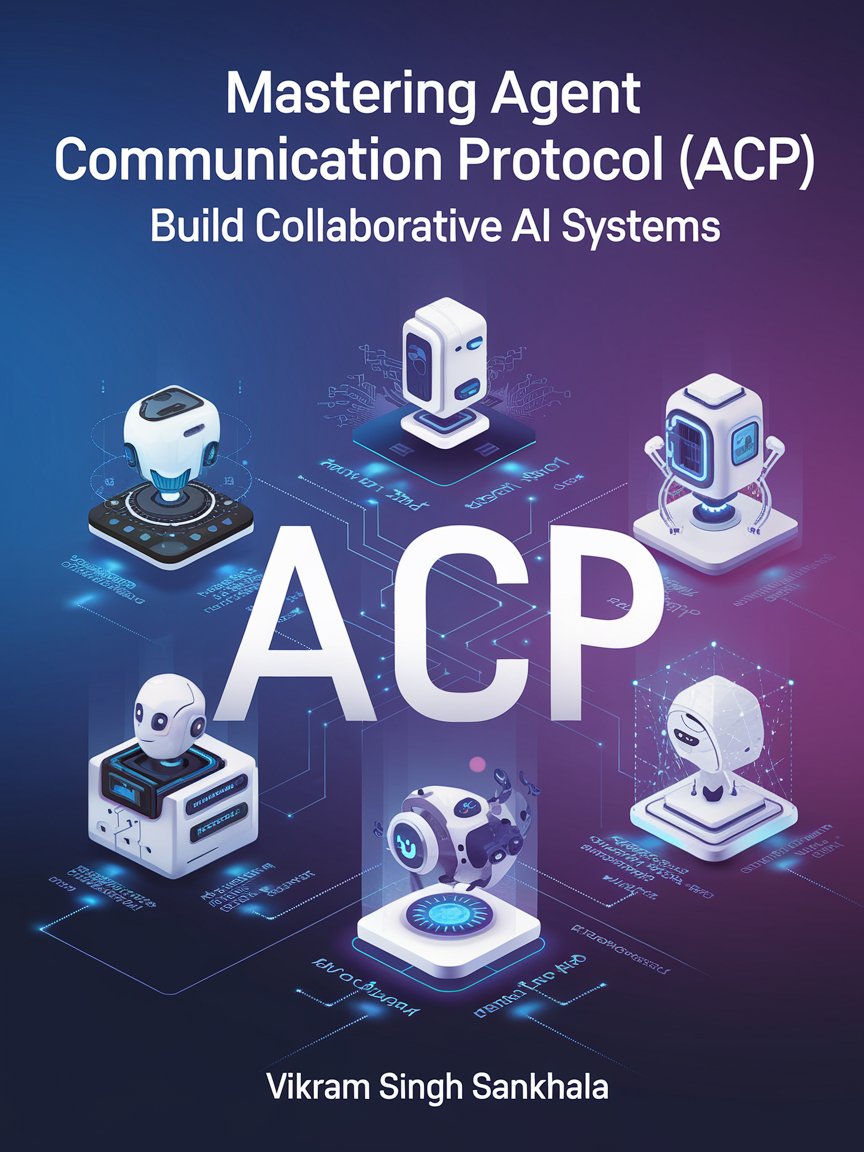
Mastering Agent Communication Protocol (ACP): Build Collaborative AI Systems
Technology

Mastering Agent Communication Protocol (ACP): Build Collaborative AI Systems

By Vikram Singh Sank...

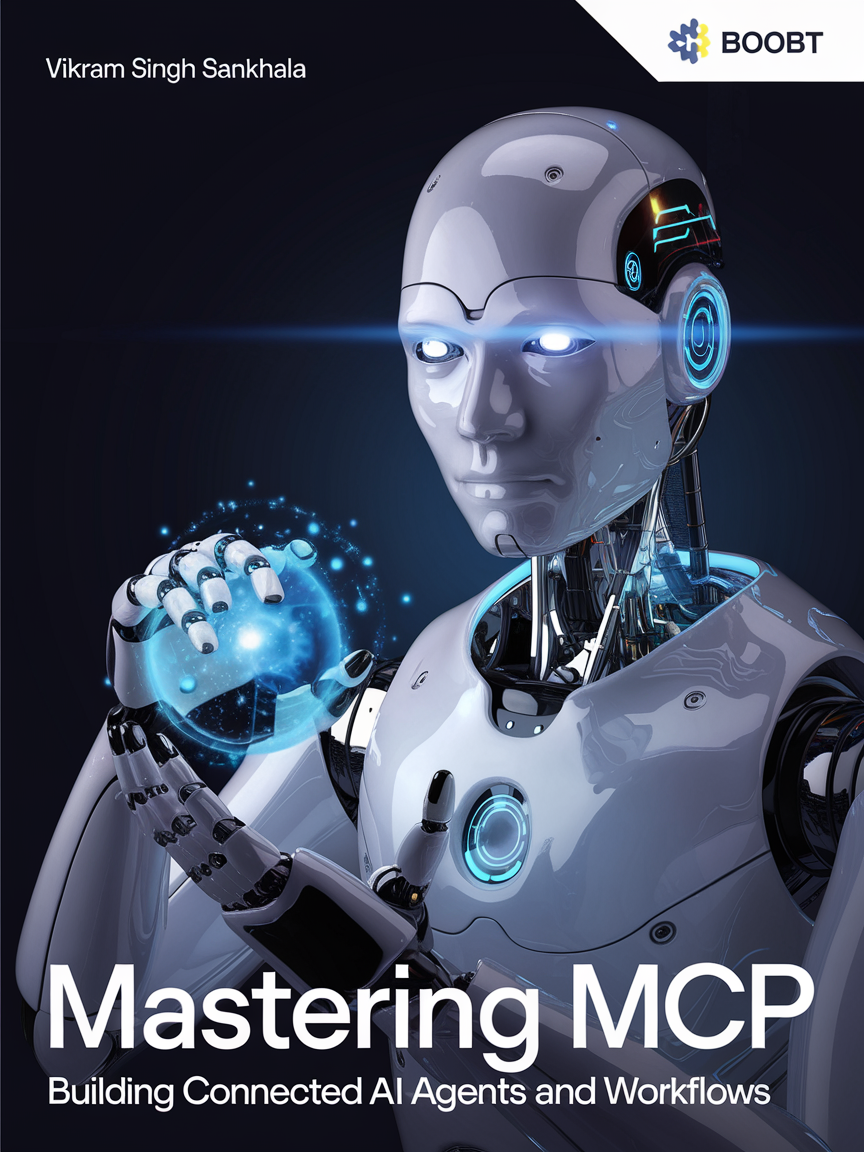
Mastering MCP: Building Connected AI Agents and Workflows
Technology

Mastering MCP: Building Connected AI Agents and Workflows

By Vikram Singh Sank...

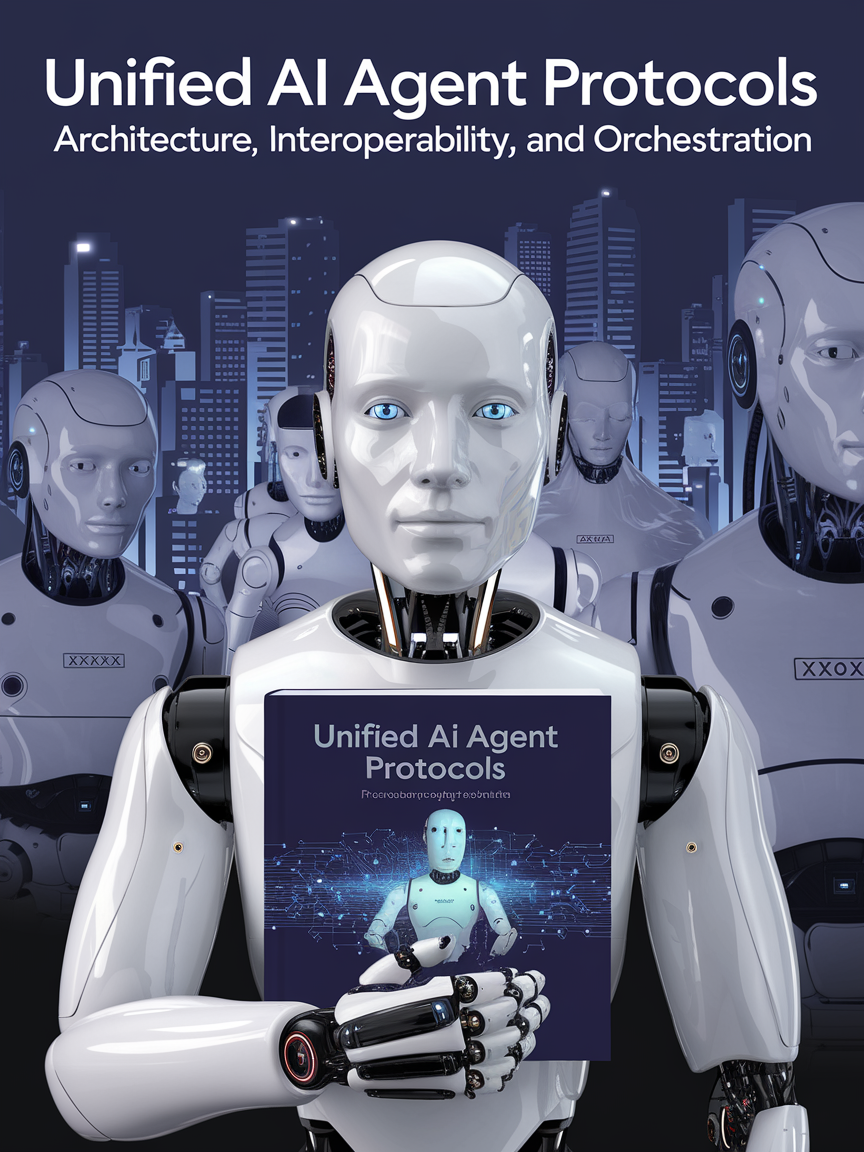
Unified AI Agent Protocols: Architecture, Interoperability, and Orchestration
Technology

Unified AI Agent Protocols: Architecture, Interoperability, and Orchestration

By Vikram Singh Sank...

Building the AI-Native Operating System: An Event-Driven Approach with Cursor
Technology

Building the AI-Native Operating System: An Event-Driven Approach with Cursor

By Vikram Singh Sank...

Applied Mechatronics for Industry 4.0: Engineering Intelligent Connected Systems
Technology

Applied Mechatronics for Industry 4.0: Engineering Intelligent Connected Systems

By Vikram Singh Sank...

Mechatronics: From Fundamentals to Integrated Design
Technology

Mechatronics: From Fundamentals to Integrated Design

By Vikram Singh Sank...

Modern Web and 3D Development with Node.js, React, and Three.js
Technology

Modern Web and 3D Development with Node.js, React, and Three.js

By Vikram Singh Sank...

Solinexta 3D Game Development: Building a Football Game with React and Three.js
Technology

Solinexta 3D Game Development: Building a Football Game with React and Three.js

By Vikram Singh Sank...