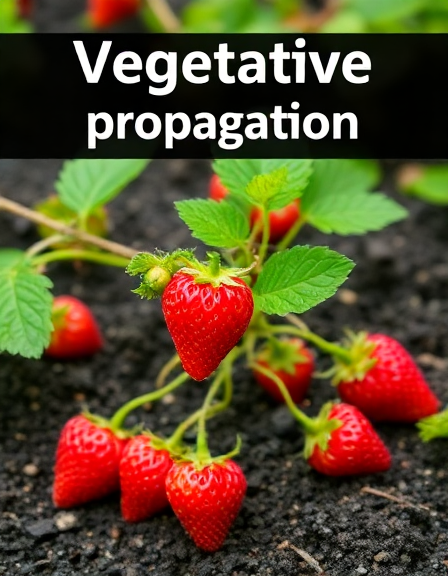
Vegetative propagation
0 reviews
Chapters
6
Language
English - US
Genre
Published
March 2, 2026
Synopsis
Vegetative Propagation (Using Simple Analogies) Vegetative propagation is when a new plant grows from a part of another plant instead of from a seed. Think of it like this: 👉 It’s like making a copy of something instead of starting from scratch. The new plant is a “copy” of the parent plant. Vegetative propagation is divided into Natural and Artificial. ⸻ 🌿 1. Natural Vegetative Propagation This happens without human help. 🔎 Analogy: It is like when your hair grows back after you cut it. You did not plant new hair — it just grows from what is already there. Or think of it like a lizard growing back its tail. The plant uses a part of itself to grow something new. Examples with Simple Comparisons: • Runner (Strawberry) Like a phone charger cord stretching across the floor. Wherever it touches, a new little plant grows. • Irish Potato (Tuber) Like planting a piece of yam and getting a whole new yam plant. The “eyes” are like small sleeping babies that wake up and grow. • Ginger (Rhizome) Like an underground train line spreading sideways under the soil. • Banana (Sucker) Like a baby growing beside its mother. 👉 In natural propagation, the plant does the work by itself. ⸻ 🌿 2. Artificial Vegetative Propagation This happens with human help. 🔎 Analogy: It is like when a baker uses a small piece of dough to make more bread. Or when you take a small piece of a plant and help it grow into a new one. People help the plant to “clone” itself. Examples with Simple Comparisons: • Cutting (Sugarcane) Like cutting a piece of cake and planting it to grow another cake. A piece of stem is planted and grows into a new plant. • Layering Like bending a branch down, covering it with soil, and waiting for it to grow roots — like tucking it into bed. • Grafting (Mango) Like attaching one plant to another so they grow together — like connecting two Lego pieces. 👉 In artificial propagation, humans help control the process. ⸻ 🌟 Simple Way to Remember • Natural = Plant does it by itself. • Artificial = Humans help the plant do it.
Create Your Own Book
Inspired by what you've read? Turn your ideas into reality with FastRead's AI-powered book creation tool.
Start Writing Now