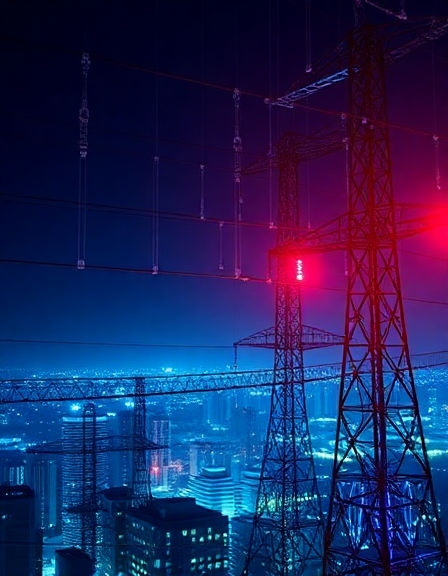
Cybersecurity as the Foundation of the Future Energy System
0 reviews
Chapters
6
Language
English - UK
Genre
Published
January 13, 2026
Synopsis
The energy transition, while promising decarbonisation and decentralisation, introduces unprecedented cybersecurity challenges to our power systems. This book argues that cybersecurity is not merely a supporting function but a foundational enabler of the future energy ecosystem, intrinsically linked to energy security, digitalisation, and climate objectives. It offers a comprehensive, end-to-end analysis of cybersecurity across the entire energy system stack, from transmission and distribution grids to buildings, communities, and Positive Energy Districts (PEDs). The book delves into the evolving threat landscape, including nation-state attacks, ransomware, and AI-driven misinformation, illustrating systemic vulnerabilities with real-world incidents. Through a layered architectural perspective, the book maps cyber attack surfaces and reinterprets core cybersecurity principles for cyber-physical energy systems, where availability and operational safety are paramount. It examines the crucial regulatory and governance dimensions, international frameworks, and the convergence of critical infrastructure protection, data protection, and market regulation. Dedicated chapters explore securing operational technology (OT), edge devices, and challenges at building and community levels, with a focus on data privacy and trust. Emerging technologies like AI, blockchain, and quantum computing are assessed for their dual role in strengthening and complicating energy cybersecurity. Ultimately, this book reframes cybersecurity as a prerequisite for secure, resilient, and trusted energy systems, providing a holistic reference for energy engineers, electricity researchers, and community energy operators shaping the future energy landscape.
Create Your Own Book
Inspired by what you've read? Turn your ideas into reality with FastRead's AI-powered book creation tool.
Start Writing Now