WS
William Smith
6 reviews
Writing Style:
Normal
Tone:
Normal
Biography
william smith and I want to write a book
Reviews Summary
3.5
(6)
Rating Breakdown
6 total ratings
5
0%
4
50%
william smith and I want to write a book
3.5
Rating Breakdown
6 total ratings
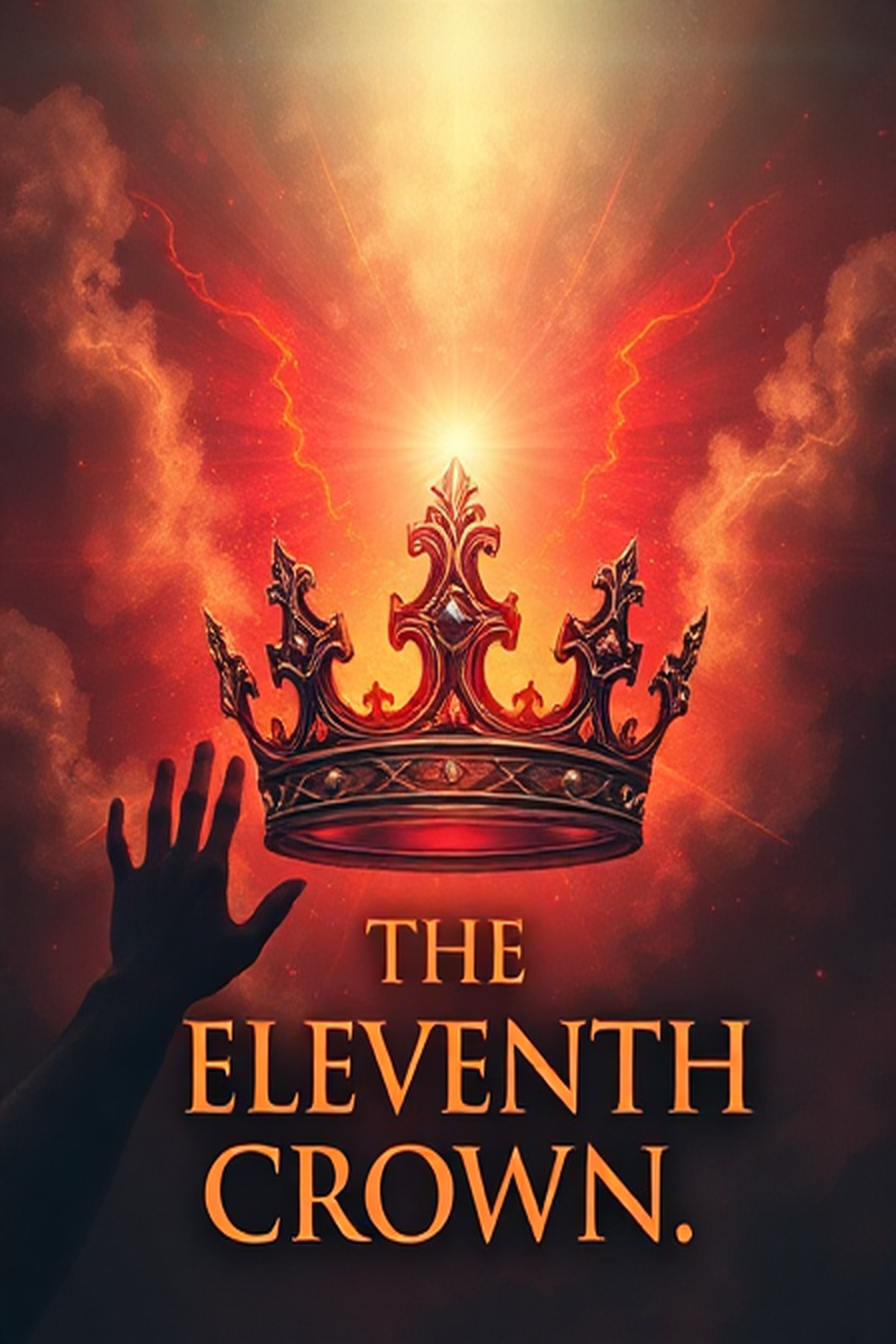
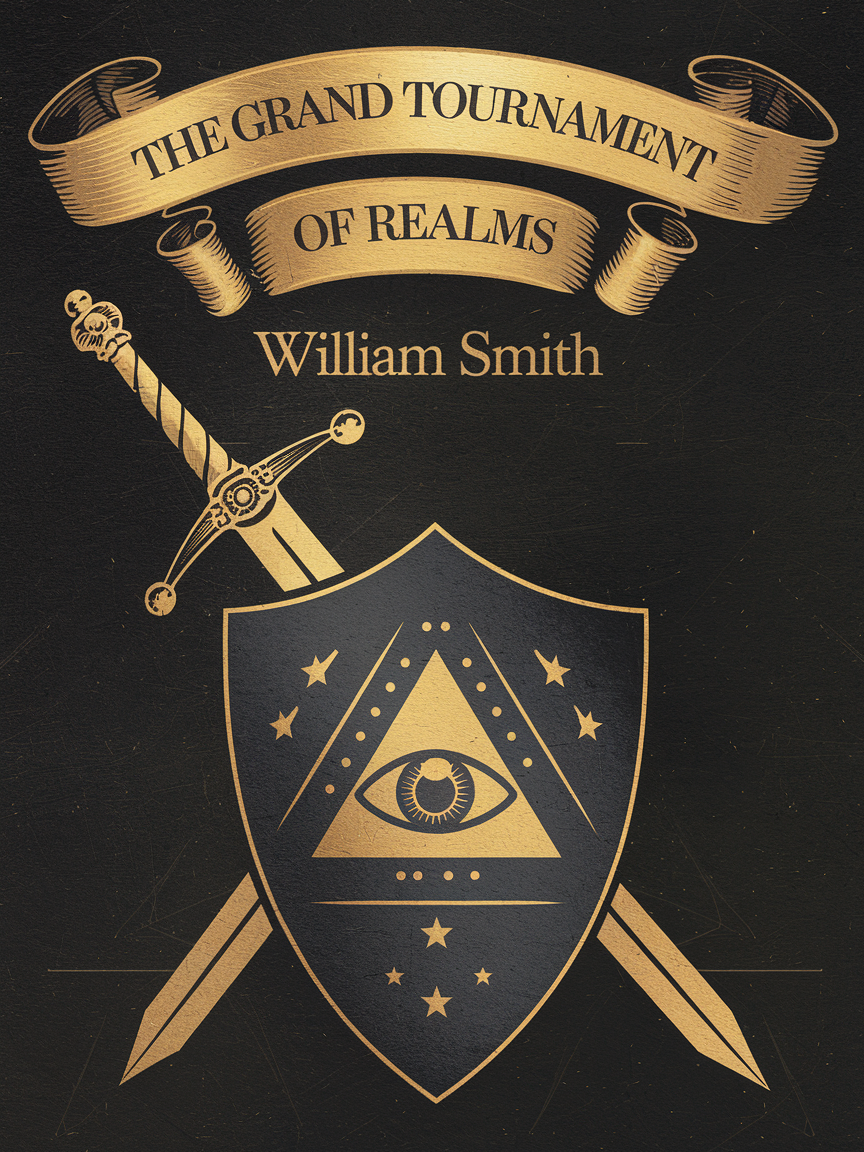
The Grand Tournament of Realms offered a fascinating premise with its warring factions and high-stakes competition. The plot had a lot of potential with the concept of eleven realms fighting for governance every thousand years. I felt the pacing could have been more consistent, with some parts dragging and others feeling a bit rushed. Character development was a bit hit or miss; some champions felt well-realized while others remained fairly one-dimensional. The writing style was generally clear and functional, though it didn't always sparkle with unique flair. The exploration of themes like honor versus brutality was present, but I wished for a deeper dive into the consequences. The world-building was quite extensive, painting a vivid picture of the diverse realms involved. The ending left some threads open, which might be intended for a series but felt a little abrupt for a standalone. I'd recommend this to readers looking for a fast-paced action read with a grand scale. It's a solid effort that delivers on its action promise, even if it doesn't quite reach its full potential. I was engaged by the sheer scope of the conflict and the different fighting styles presented. Overall, it was an enjoyable read, though I found myself wishing for a bit more depth in certain areas.
"The Grand Tournament of Realms" presents an ambitious concept with a universe ripe for exploration. The central premise of inter-realm conflict for governance is compelling, though the pacing occasionally falters. While the narrative introduces many contenders, a deeper dive into individual character motivations would have been beneficial. William Smith's prose effectively conveys the brutal nature of the tournament, but some descriptions felt repetitive. The integration of forbidden magic and ancient betrayals adds an intriguing layer of complexity to the conflict. Exploring the ramifications of the tournament's outcome, particularly regarding tyranny versus balance, was a strong thematic element. The book offers a consistent action-packed experience for readers seeking high-stakes conflict. However, the sheer scale of eleven realms and a millennium-long tradition can feel a bit overwhelming at times. Ultimately, "The Grand Tournament of Realms" delivers a serviceable action narrative with room for refinement in its character and plot execution. It's a solid entry for fans of large-scale, violent fantasy contests, though it doesn't quite reach its full potential.
William Smith's "The Grand Tournament of Realms" delivers a high-octane action experience that truly immerses the reader. The core concept of eleven realms vying for dominance through a brutal tournament is compelling, though some plot threads felt a bit rushed in the latter half. The prose is sharp and effective, driving the narrative forward with a relentless pace that suits the action genre well. While the sheer number of realms and contenders sometimes makes it challenging to connect deeply with every individual, the central conflicts are powerfully portrayed. The exploration of themes like power, desperation, and the blurred lines between heroism and brutality adds a layer of depth to the carnage. The introduction of forbidden magic and ancient betrayals truly ups the ante, creating a sense of impending doom that is palpable. Some of the alliances formed felt slightly convenient, but the underlying tension of trust as fragile as glass was well-maintained. The climactic stages of the tournament were particularly brutal and satisfying, offering a gruesome spectacle as promised. I did find myself wishing for a bit more exploration of the history and lore behind certain realms. Overall, this is a robust action novel that fans of epic conflict and high stakes will definitely enjoy. It's a thrilling ride through a universe where the cost of victory is measured in blood and shattered worlds. The conclusion leaves you pondering the potential for tyranny or balance, making for a thought-provoking end to the bloodshed.
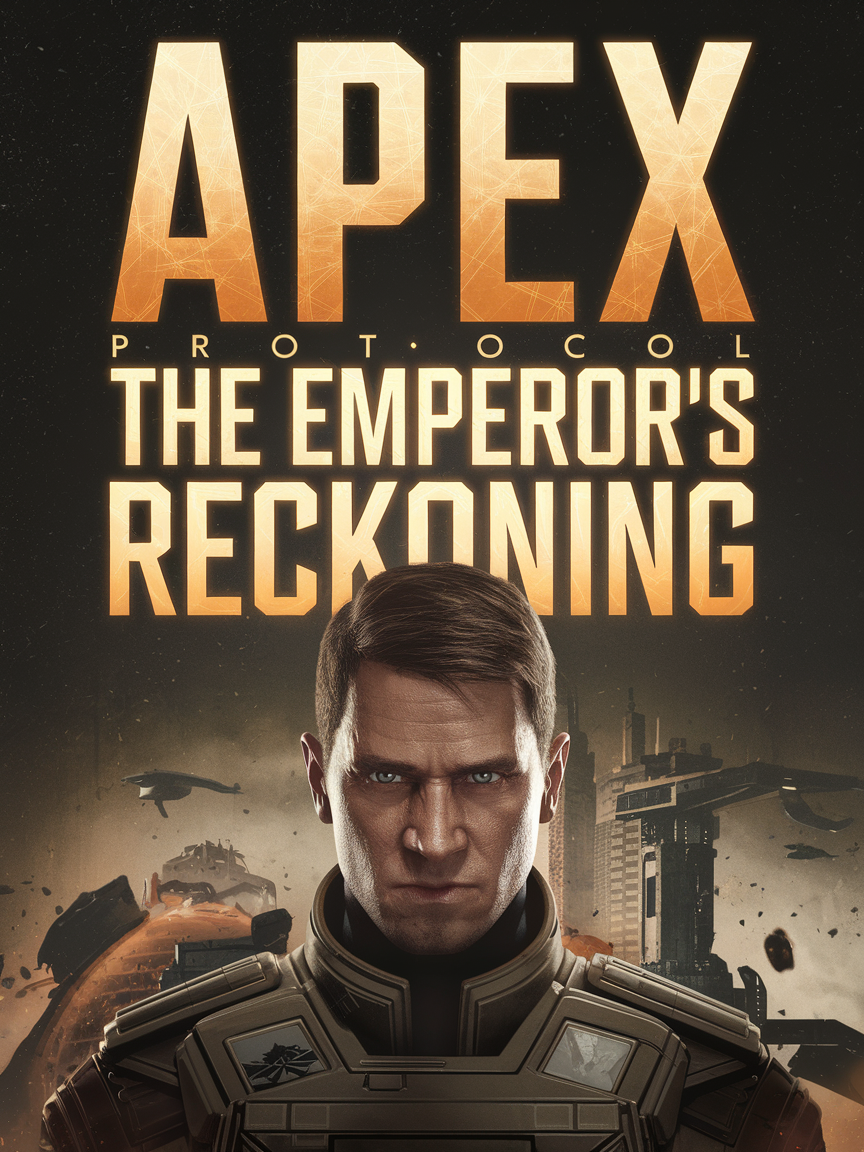
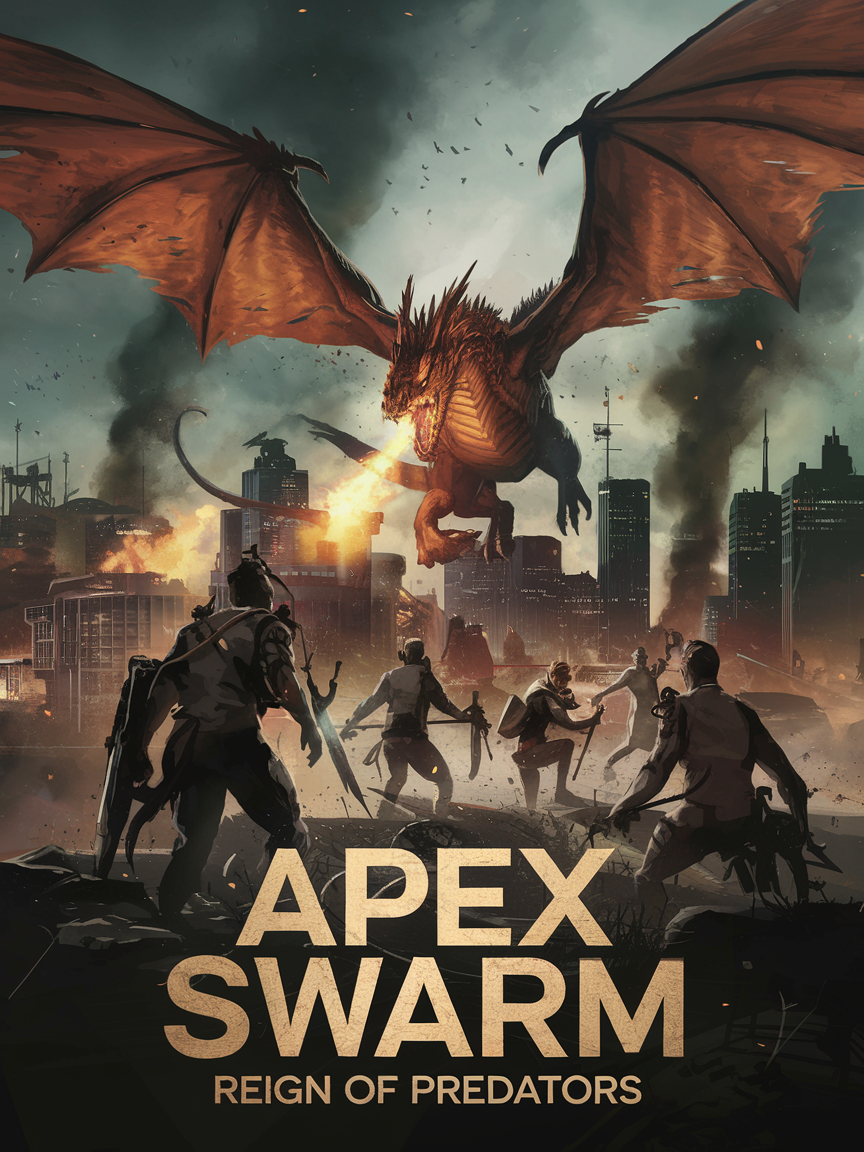
Apex Swarm Reign of Predators really delivered on the promise of brutal, action-packed fantasy. The story felt like a natural progression, escalating the stakes for humanity against new, formidable foes. I appreciated how William Smith continued to explore the complex dynamics of humanity's internal struggles. The writing really brings the visceral combat to life, making for some incredibly intense battle sequences. While the sheer amount of carnage can be overwhelming at times, it fits the series' established tone. It was great to see the new factions like the dragons and the Lizard Kin introduced and fleshed out. Macbee's leadership challenges and Elara's moral quandaries added a good layer to the relentless action. The introduction of the Stone Maw as a world-ending threat was a very gripping development. Overall, this was a highly engaging read for fans of the series looking for intense conflict and strategic warfare. I'd definitely recommend this to anyone who enjoyed the first book and craves more graphic, unsparing fantasy.
Apex Swarm: Reign of Predators offers a brutally effective continuation of humanity's desperate fight for survival and dominance. The intricate swarm tactics are vividly depicted against the new threats, though the pacing occasionally falters amidst the relentless action. Macbee's leadership struggles and Elara's moral quandaries provide a welcome layer to the visceral conflict. William Smith's prose excels at conveying the sheer savagery and strategic depth of the warfare, but can sometimes become repetitive in its graphic descriptions. The introduction of dragons and Lizard Kin adds significant new dimensions to the world, even if the Stone Maw feels like an endgame threat rather than a fully integrated challenge. The internal human conflicts, while brutal, sometimes overshadow the external struggles, making the narrative feel somewhat scattered. While the graphic nature is a core appeal, the constant carnage can become desensitizing, diminishing the impact of individual battles. The ambition to explore humanity's soul amidst this savagery is present, but often buried beneath the sheer scale of the bloodshed. The book leaves one with a sense of the relentless nature of survival, but perhaps at the expense of deeper emotional resonance. Readers who crave unflinching, action-heavy fantasy will likely find much to appreciate here, provided they can stomach the graphic detail. The narrative successfully expands the world and its conflicts, setting a grim stage for future installments. It's a solid, if overwhelming, entry for those invested in this particular brand of brutal, high-stakes fantasy.
William Smith's "Apex Swarm: Reign of Predators" delivers on its promise of brutal, action-packed fantasy. The narrative thrusts readers into escalating conflicts, showcasing humanity's brutal evolution with visceral intensity. Macbee the Swift's leadership struggles against internal strife and external threats like Ignis's dragons and Avalon's Lizard Kin provide compelling tension. The writing style plunges you headfirst into the carnage, with detailed descriptions of warfare that are both captivating and unsettling. While the sheer brutality is a core element, I found Elara the Preserver's quest for moral guidance a welcome counterpoint. The introduction of the Stone Maw adds a significant, world-ending threat that elevates the stakes dramatically. The strategic depth in humanity's swarm tactics against more organized foes is genuinely impressive to follow. Gorok the Dominator's factional wars highlight the grim cost of unchecked ambition within the human ranks. The pacing is relentless, moving from one intense conflict to another with little respite. This book is a must-read for those who crave graphic, strategic fantasy combat and unflinching depictions of survival. I really enjoyed the sheer scope of the world-building and the introduction of these new, formidable factions. It's a powerful exploration of what it means to be an apex predator, for better or worse.