CM
CHARLES MUELA
15 reviews
Writing Style:
Normal
Tone:
Normal
Biography
Aspiring Author
Reviews Summary
3.7
(15)
Rating Breakdown
15 total ratings
5
13%
4
53%
Aspiring Author
3.7
Rating Breakdown
15 total ratings
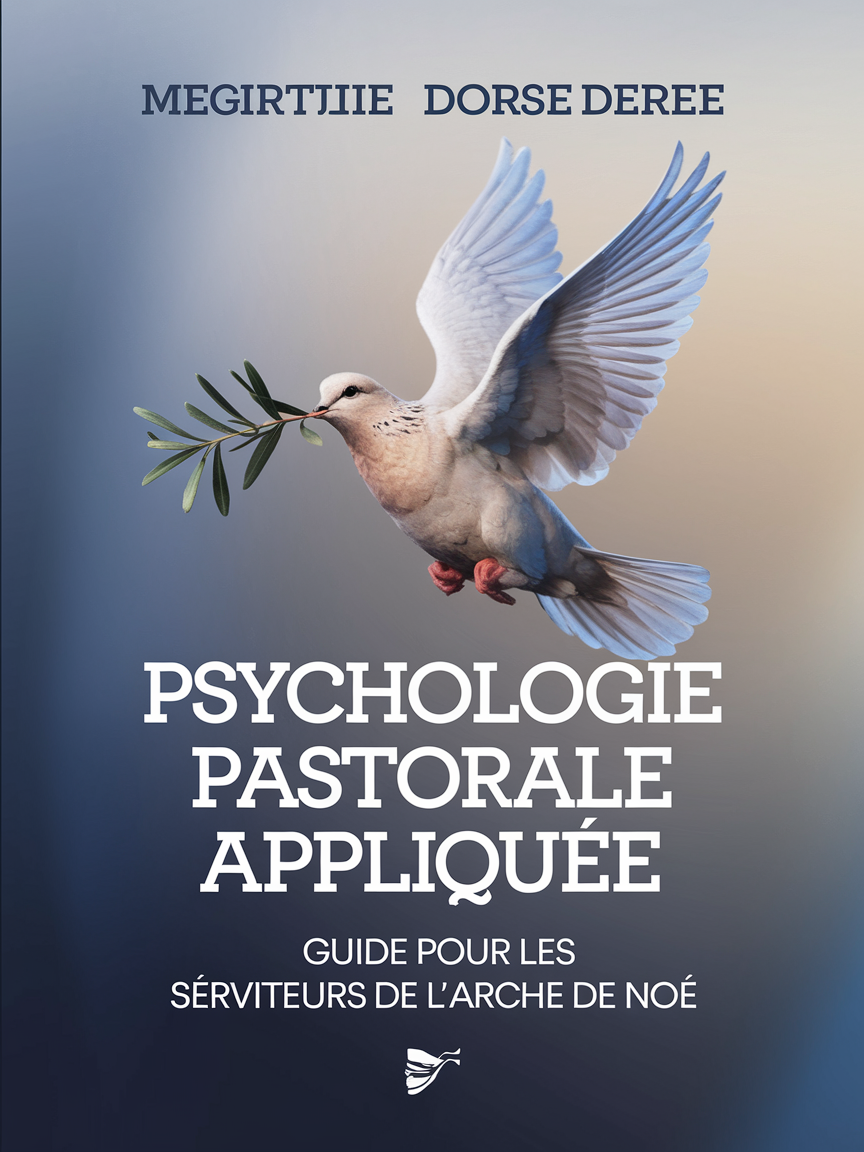
"Psychologie Pastorale Appliquée" is a very practical and well-structured textbook for anyone in Christian ministry. The book offers a solid framework for understanding human nature and providing pastoral care, grounded in biblical principles. Charles Muela's approach is both insightful and compassionate, making complex psychological concepts accessible. I particularly appreciated the detailed modules on active listening and emotional wounds, which are crucial for effective ministry. The case studies at the end are a great addition, helping to solidify the theoretical concepts with real-world scenarios. The integration of Christ as the model for pastoral counseling is a central strength of the text. While the coverage of common psychological disorders is good, a slightly deeper dive into treatment options could have been beneficial. The emphasis on preventing pastoral burnout is also a very relevant and important aspect of the book. Overall, it's an excellent resource that genuinely equips readers to serve with more wisdom and empathy. This guide will undoubtedly be a valuable companion for those called to shepherd God's flock. It successfully bridges the gap between psychological understanding and spiritual guidance. I would recommend this book to any pastor, church leader, or ministry volunteer looking to deepen their care for others.
"Psychologie Pastorale Appliquée : Guide pour les Serviteurs de l'Arche de Noé" presents a comprehensive overview of pastoral psychology, offering a structured approach to supporting individuals within a faith context. The integration of biblical anthropology and psychological principles provides a solid foundation for understanding human nature and its needs. The text effectively uses Christ as a model for pastoral counseling, grounding its advice in relatable biblical examples. The exploration of emotions, emotional wounds, and the art of listening are particularly well-developed sections for a textbook. However, some modules, like those on personality and temperaments, feel a bit condensed without extensive practical application exercises. The sections on common psychological disorders and family dynamics are informative, though they could benefit from more in-depth case studies. The latter half of the book addresses crucial topics such as burnout and the process of healing with practical guidance. The concluding emphasis on the synergistic relationship between biblical truth and psychological understanding is a key takeaway. Overall, this is a valuable resource for those in pastoral ministry seeking to enhance their counseling skills. It serves as a foundational guide, balancing theological perspectives with practical psychological insights.
This textbook is an exceptionally thorough guide for anyone involved in pastoral care within a Christian context. The structured approach, moving from fundamental principles to practical application, makes complex psychological concepts accessible. Charles Muela masterfully integrates biblical anthropology with modern psychological understanding, offering a holistic perspective. The inclusion of Jesus as the ultimate model for pastoral counseling, illustrated with relevant biblical examples, is particularly insightful. I found the modules on emotional wounds, active listening, and the practical steps of pastoral counseling to be incredibly valuable. The honest discussion of the pastor's own emotional challenges and the prevention of burnout is a crucial and often overlooked aspect. The case studies provide realistic scenarios, demonstrating how to apply the learned principles in real-life ministry situations. This book truly equips the "Servants of Noah's Ark" with the tools to navigate the complexities of human hearts with wisdom and compassion. It serves as a vital resource for fostering genuine healing and spiritual growth within the church community. I highly recommend "Psychologie Pastorale Appliquée" to all church leaders and anyone aspiring to minister effectively.
This textbook offers a thorough and practical guide to pastoral ethics and deontology. It comprehensively covers the essential principles for spiritual leaders, drawing heavily from biblical foundations. The breakdown into twelve modules provides a structured and digestible approach to complex topics. I appreciated the emphasis on integrity and the personal spiritual life of the pastor. The sections on financial and sexual ethics are particularly relevant and well-addressed in today's context. While the content is strong, a more dynamic presentation could have enhanced engagement further. The depth of information is excellent for training purposes within a specific church context like Arche de Noé. It serves as a valuable resource for fostering responsible and ethical ministry. I would recommend this as a foundational text for pastors seeking to deepen their understanding of ethical conduct. The integration of scripture throughout the text reinforces the biblical basis for these ethical standards. It effectively addresses the real-world challenges faced by modern-day ministers. This book lays a solid groundwork for ethical leadership in ministry.
This textbook offers a comprehensive and timely exploration of pastoral ethics. The detailed modules effectively break down complex issues facing modern ministry. Charles Muela presents a clear and biblically grounded framework for ethical conduct. The text's structure, moving from foundational principles to specific ethical challenges, is logical. I particularly appreciated the emphasis on the pastor's personal spiritual life as the bedrock of ministry integrity. While comprehensive, some sections could benefit from more case study examples to illustrate the application of principles. The writing style is accessible, making the material understandable for a broad audience of church leaders. This book serves as a valuable resource for any serious servant of God aiming to minister with integrity. It addresses critical topics like sexual ethics, financial stewardship, and power dynamics head-on. The practical guidance provided throughout the text is its greatest strength. I found the "twelve commitments" in the final module to be a powerful concluding summary. This work is a significant contribution to ethical training within the pastoral community.
This textbook offers a thorough exploration of pastoral ethics, a much-needed resource for ministry leaders. The structure, divided into twelve modules, provides a comprehensive overview of critical ethical considerations. I appreciated the consistent grounding in biblical principles throughout the chapters. However, at times, the material felt a bit academic and could have benefited from more practical case studies. While the foundational elements are strong, some sections on contemporary issues like digital ethics could be expanded. The author clearly aims to equip leaders with integrity, which is a commendable goal. For those seeking a foundational text on pastoral conduct, this book serves as a solid, albeit sometimes dense, guide. It would be particularly valuable for seminary students or those in formal ministry training. Overall, it's a well-intentioned and comprehensive work that fills an important niche.
This textbook offers a remarkably thorough and well-structured guide for church leadership. The content systematically covers biblical foundations, governance, administration, and pastoral care. I appreciated the detailed breakdown of departments and ministries with their respective models. The focus on disciple-making and preparing for Christ's return is consistently emphasized. It’s clear this manual is designed for practical application and long-term growth. The integration of spiritual and social visions, like the Rapture and the Family, provides a cohesive framework. The chapters on leadership development and financial stewardship are particularly valuable. While extensive, the logical progression makes it accessible for dedicated leaders. It serves as a comprehensive resource for building a healthy, organized, and mission-driven church. The emphasis on excellence and continuous improvement is a strong takeaway. This book would be highly beneficial for anyone involved in church leadership or seeking to understand church operations from a biblical perspective.
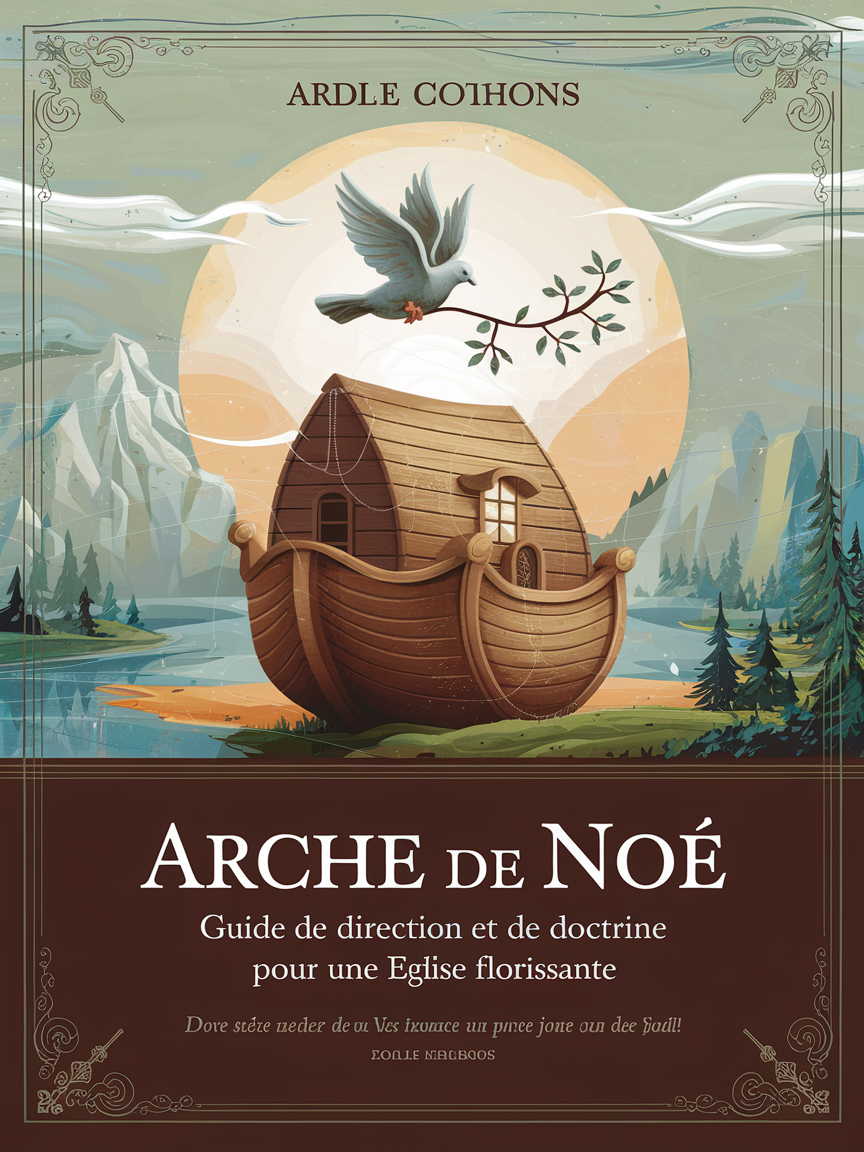
Arche de Noé : Guide de Direction et de Doctrine pour une Église Florissante is a remarkably thorough and well-structured textbook for church leadership. The book meticulously outlines biblical foundations for governance, administration, and pastoral care, offering a comprehensive framework for church operations. Muela's writing is clear and direct, making complex theological and practical concepts accessible to its intended audience. The emphasis on vision, particularly the "Enlèvement," provides a unique spiritual anchor that permeates every aspect of the church's mission. I appreciated the detailed breakdown of departments and ministries, offering practical models for their implementation and evaluation. The sections on leadership development and financial stewardship are particularly vital for sustainable church growth. While the density of information is impressive, it could occasionally feel overwhelming for a reader new to these concepts. However, for church leaders seeking a robust guide to building a healthy and mission-oriented congregation, this manual is an invaluable resource.
"Arche de Noé : Guide de Direction et de Doctrine pour une Église Florissante" offers a robust framework for church leadership and organization. The comprehensive coverage of biblical foundations, governance, and pastoral care is commendable. Its detailed approach to departmental management and leadership development is particularly strong. However, the book's dense structure could feel overwhelming for some readers. While the vision for a holy, organized church is clear, the practical application might require significant adaptation. The emphasis on preparing for Christ's return is a powerful spiritual motivator throughout. I appreciated the sections on financial stewardship and preventing pastoral burnout. Overall, it's a valuable resource for church leaders seeking a systematic approach to ministry. The detailed structure and clear objectives make it a useful textbook for discipleship. The extensive breakdown of ministries provides a practical blueprint for church growth. It successfully blends doctrine with practical administration for a well-rounded guide. This manual offers a solid foundation for building a vibrant and functional church community.
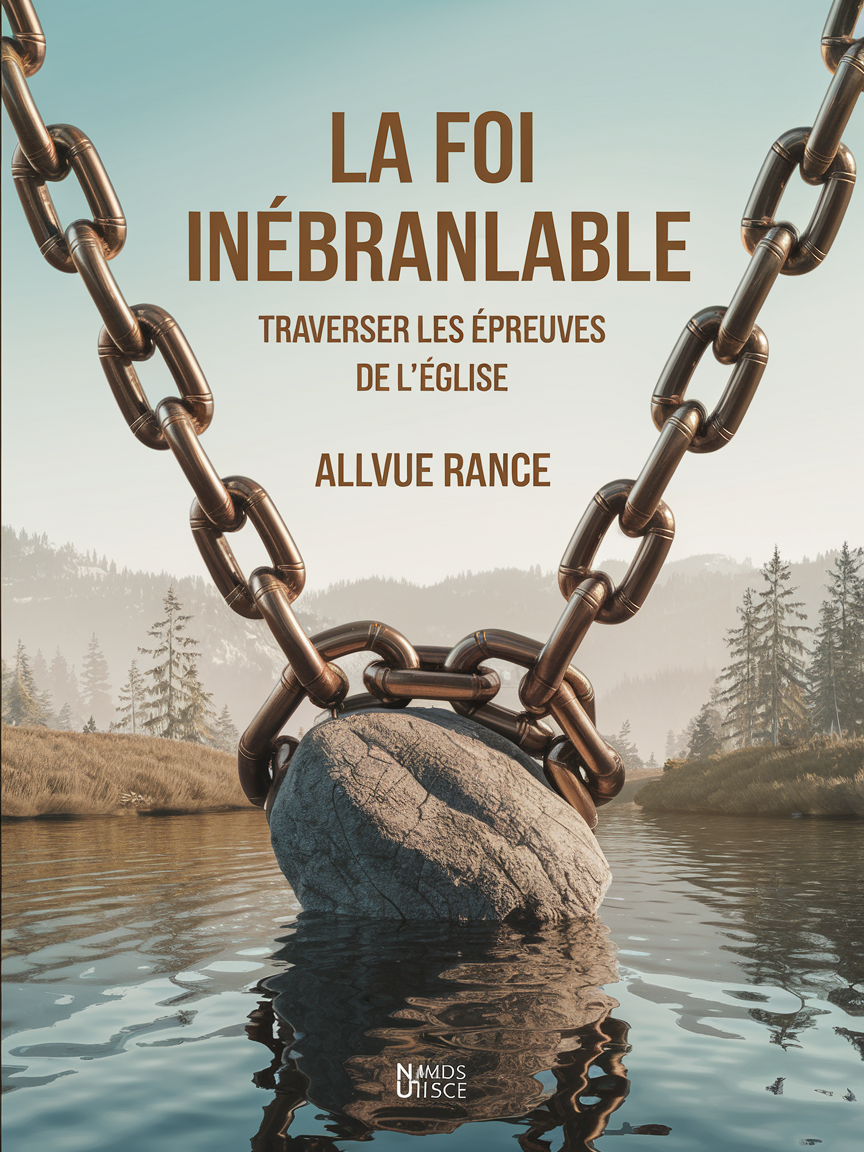
This book definitely tackles a tough subject facing the church today. It makes a strong case that the scandals mentioned are not new historically. However, the constant biblical citations felt a bit overwhelming at times. I appreciated the call for prayer and discernment for believers. It really made me think about how we approach sin and forgiveness within the church. The author emphasizes the importance of staying firm in faith amidst trials. While the message of perseverance is clear, the execution felt a little repetitive. I think readers looking for a direct, scripturally-backed approach will appreciate this. It offers a good perspective for those feeling discouraged by current events. It's a book that prompts reflection but might not be for everyone's reading style.
Charles Muela's "La Foi Inébranlable : Traverser les Épreuves de l'Église" offers a thoughtful and timely reflection on navigating scandals within the Christian community. The book directly addresses the pain and disillusionment caused by recent misconduct among religious leaders. Muela's approach of grounding the contemporary issues in biblical narratives provides a historical context that is both reassuring and challenging. He effectively conveys the importance of discernment and prayer for the Church's leadership and membership. The author's condemnation of these acts is clear, while also broadening the perspective to consider other sins and the nature of God's justice. While the intention is powerful, at times the dense biblical references felt overwhelming, slightly hindering the flow. However, the overarching message of perseverance and unwavering faith in God's power to preserve is genuinely encouraging. This work serves as a valuable spiritual guide for those seeking to remain steadfast amidst turmoil and deception. It strongly encourages a deeper engagement with scripture and a reliance on the Holy Spirit for guidance. Overall, it’s a solid, albeit at times dense, exploration of faith in challenging times.
Charles Muela's "La Foi Inébranlable: Traverser les Épreuves de l'Église" is a profoundly timely and essential read. The book masterfully addresses the deep discouragement felt by many Christians due to recent church scandals. Muela's writing is clear and compassionate, guiding readers through difficult biblical narratives with wisdom. He effectively highlights the ongoing relevance of scriptural warnings about deception and sin within the body of Christ. The exploration of discernment and the importance of prayer for church leaders is particularly impactful. This work serves as a powerful call to strengthen one's faith and remain steadfast amidst spiritual trials. It reminds us that these challenges, while painful, are not unprecedented in Christian history. The author's emphasis on relying on the Holy Spirit for guidance is a cornerstone of the message. I found the balanced perspective on sin, not singling out adultery as the sole major transgression, to be thought-provoking. "La Foi Inébranlable" offers genuine hope and practical encouragement for navigating today's church landscape. This book is a vital resource for any believer seeking to understand and persevere through difficult times. It is a testament to the enduring power of God's truth even in the face of human failing.
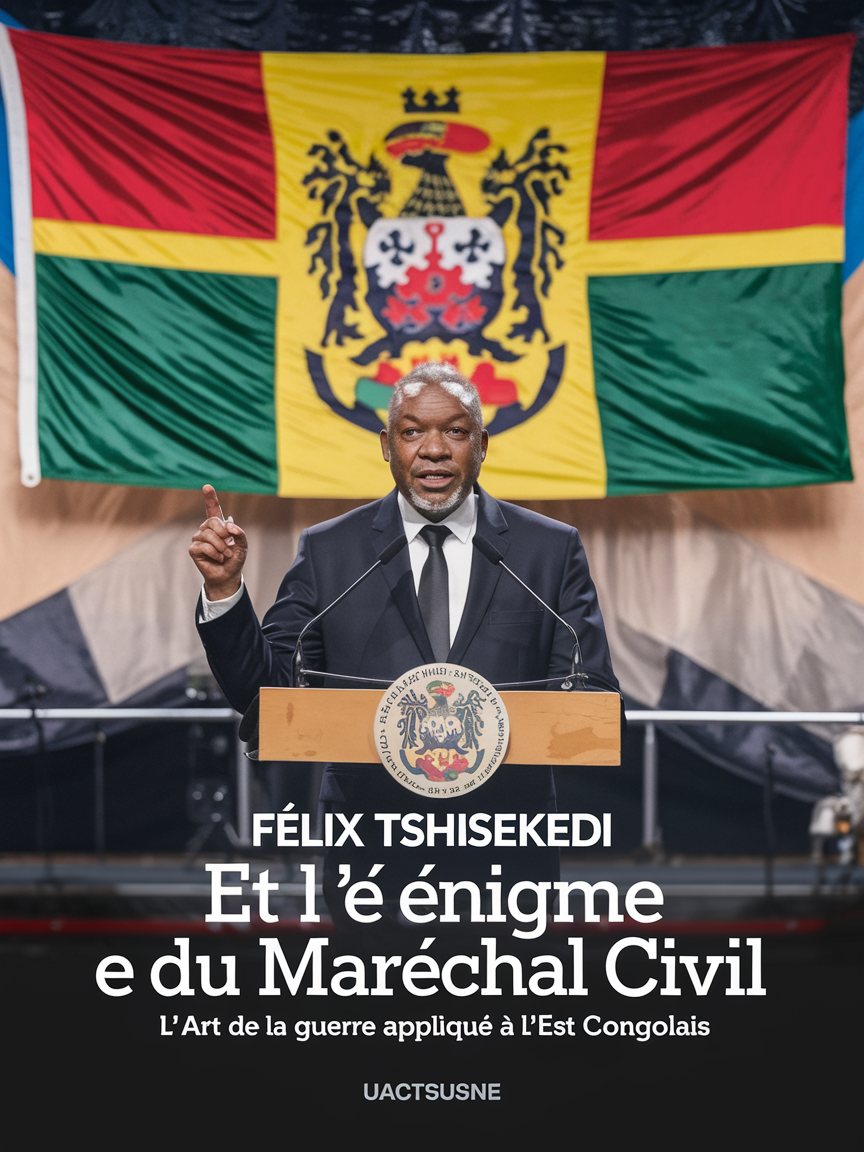
This book offers an interesting perspective on President Tshisekedi's approach to the Eastern Congo. The connection drawn between his strategies and Sun Tzu's Art of War is thought-provoking, though at times the application felt a bit forced. The author’s sophisticated French is impressive, contributing to the book's intellectual tone. I appreciated the detailed arguments supporting the "Maréchal Civil" title, particularly regarding crisis leadership. However, I found the "enigmatic" aspect a bit overused, sometimes obscuring clear analysis. The discussion on crowd psychology was insightful, bringing a unique angle to political leadership. While the book touches on important themes, a clearer narrative thread would have been beneficial. It made me think about how ancient military strategy can inform modern peacemaking efforts. Overall, it’s a solid read for those interested in political science and Congolese affairs, even with some minor critiques. I would recommend it to readers who enjoy academic explorations of leadership. The book successfully blends concrete facts with a more philosophical inquiry. It’s a book that sparks discussion and encourages deeper consideration of the complexities involved.
This book offers a compelling, if somewhat idealistic, analysis of President Tshisekedi's approach to the Eastern Congo conflict. The core argument, framing his strategies through Sun Tzu's Art of War, is intellectually stimulating, though at times it feels like a post-hoc rationalization. Author Charles Muela's prose is undeniably sophisticated and elevates the discussion, employing a highly formal French. The book's dedication to proving the "Maréchal Civil" thesis, while passionate, occasionally overshadows a more neutral, critical examination of the initiatives' practical outcomes. While the connection to Sun Tzu provides a unique lens, the exploration of the psychological dimensions of leadership could have been further elaborated for greater depth. The book succeeds in its ambitious aim to present a novel interpretation of a complex political and military landscape. Readers seeking an academic exploration of strategic thinking applied to conflict resolution will find much to appreciate here. However, those looking for a straightforward, unvarnished account of the Eastern Congo's challenges might find the analytical framework a bit dense. The author's advocacy for the honorary title is evident, creating a strong persuasive, yet at times, one-sided narrative. Ultimately, it's a thought-provoking work that encourages a deeper contemplation of leadership in crisis.
Charles Muela's "Félix Tshisekedi et l'énigme du Maréchal Civil" offers a fascinating, if at times dense, exploration of leadership in the Eastern Congo. The book posits a compelling argument for Tshisekedi's strategic acumen, drawing parallels between his actions and Sun Tzu's "Art of War." Muela's prose, aiming for a high intellectual register, can be challenging, demanding close attention to grasp its full meaning. The central thesis, that of a "Civil Marshal" applying ancient military strategy to modern conflict, is thought-provoking and unique. It succeeds in highlighting the complex, multidimensional approach to peace-building in the region. While the "enigma" aspect is intriguing, the book could benefit from more concrete examples to fully substantiate its claims. The intricate weaving of psychological principles with military strategy provides a rich analytical framework. Despite its stylistic demands, the book offers valuable insights into contemporary Congolese politics and conflict resolution. It prompts deep reflection on how abstract principles can be applied to complex geopolitical realities. This work is best suited for readers keen on in-depth political science and strategic studies.
By CHARLES MUELA